

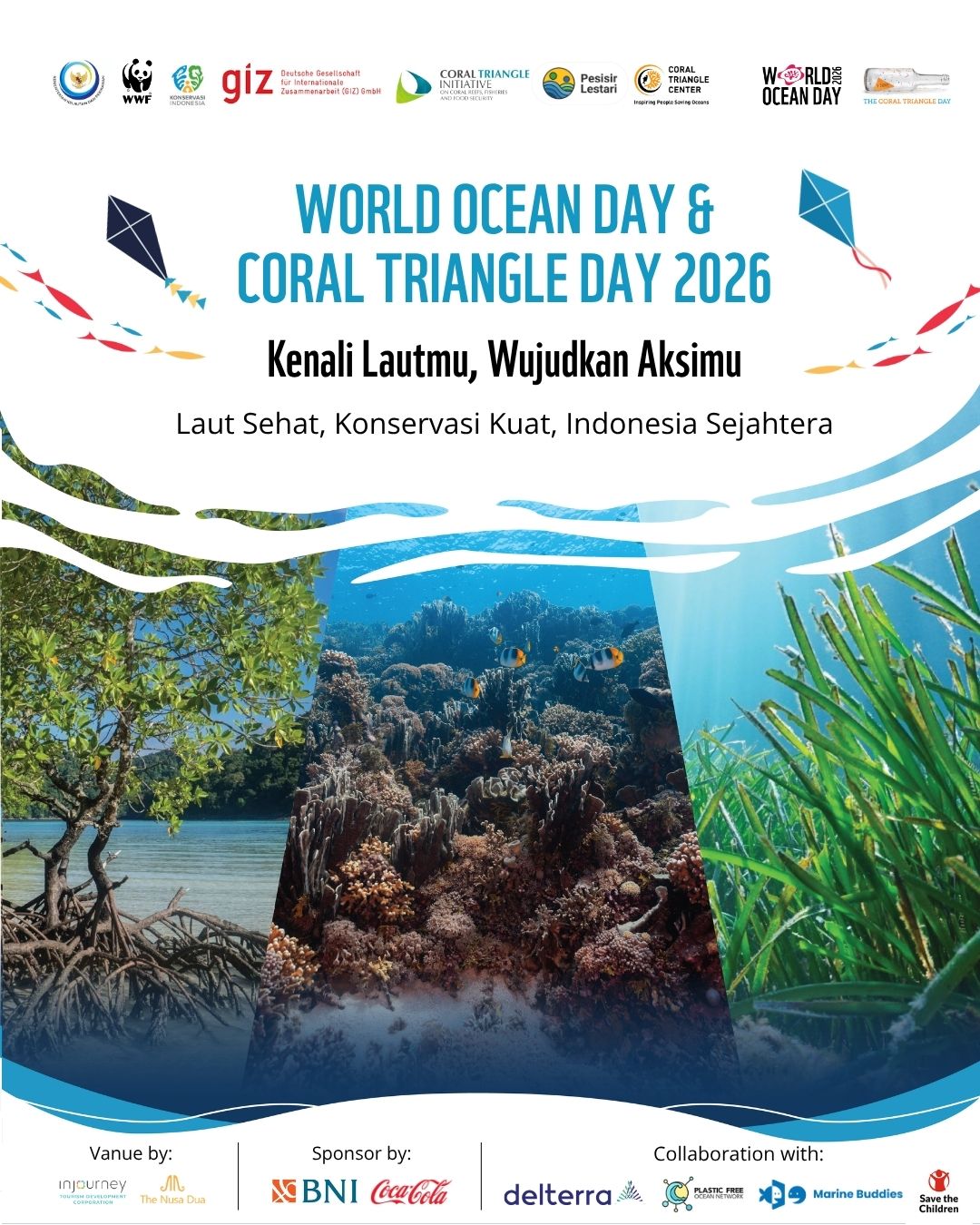
Road to the Ocean Impact Summit 2026: Indonesia and BBNJ Agreement Ratification
Road to Ocean Impact Summit (OIS) 2026 at Glance The road to the Ocean Impact Summit is a long one, by design. Between May 16 and June 9, the Road to the Ocean Impact Summit 2026, held ...
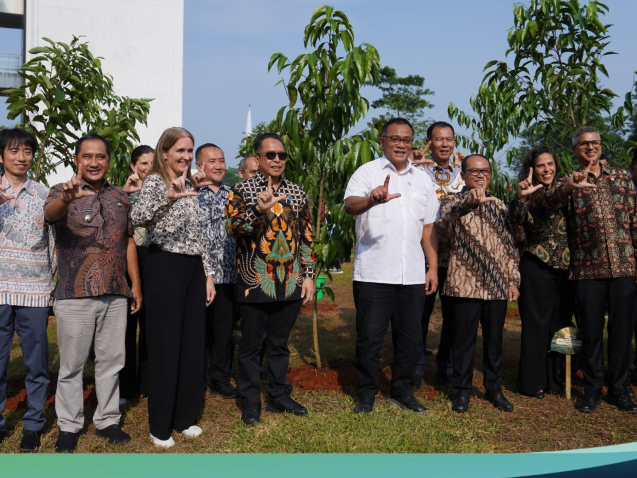
Acting Locally for Global Impact: Celebrating Indonesia’s Biodiversity
On May 22, 2026, people across the continent will gather to thrust biodiversity into the foreground—a task that, for all its urgency, has long competed with louder crises and shorter attention spans. This year, The International Day for Biological Diversity underscores the symmetrical links among local initiatives and the twenty-three global targets outlined in the Kunming-Montreal Global Biodiversity Framework (KMGBF), directing attention to the delicate, often unruly business of implementing a multi-stakeholder approach within a single shared framework. The ambition is global. The effort, inevitably, remains local.
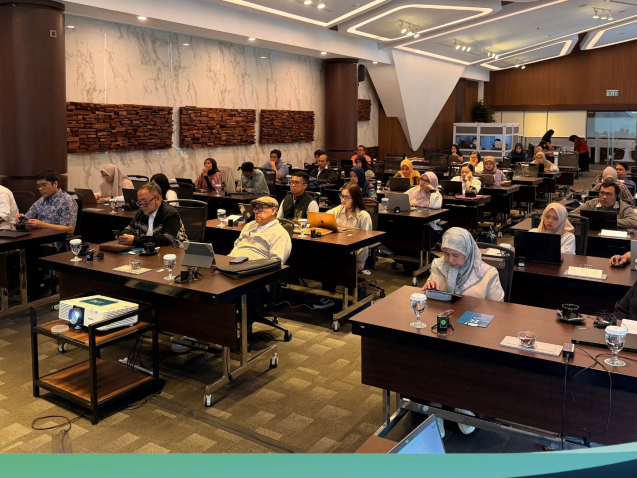
UNCBD & UNFCCC Negotiator Training and Simulation
As climate change and biodiversity loss become increasingly intertwined challenges, Indonesia is currently working to strengthen coordination under the United Nations Framework Convention on Climate Change and the United Nations Convention on Biological Diversity ahead of the 2026 COP summits. Due to this condition, the Ministry of Environment (KLH), through its National Focal Points, held a three-day training workshop in Bogor, focused on practical negotiation expertise—ranging from drafting texts to building alliances.
Road to the Ocean Impact Summit 2026: Indonesia and BBNJ Agreement Ratification
Road to Ocean Impact Summit (OIS) 2026 at Glance The road to the Ocean Impact Summit is a long one, by design. Between May 16 and June 9, the Road to the Ocean Impact Summit 2026, held ...
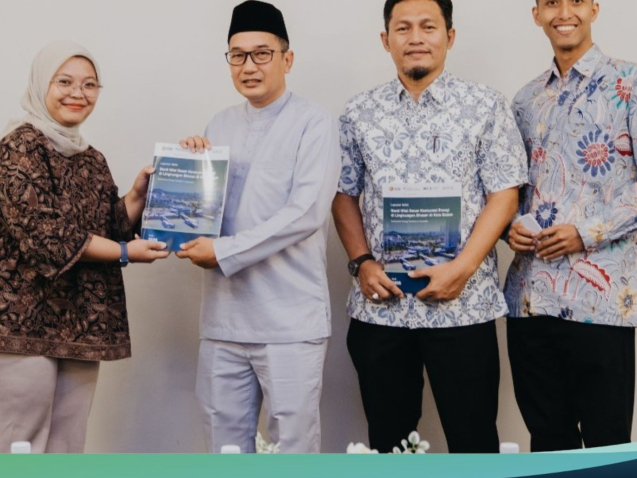
SETI Shares Key Findings to Support Batam’s Long-Term Energy Plan
The SETI project concluded the Baseline Energy Consumption Study in Batam, and its findings were disseminated on 16 April 2026 to key stakeholders from the city council, provincial government of Kepulauan Riau, selected building owners, and representatives from local universities. The findings will serve as key references for the development of a long-term energy plan.
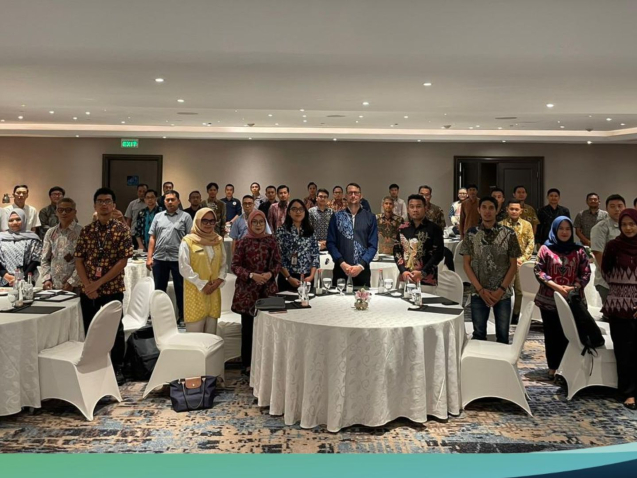
Accelerating Industrial Decarbonisation in Indonesia through SETI’s Industrial Energy Lab Batch 2 Initiative.
SETI’s Industrial Energy Lab Batch 2 marked a key step in advancing industrial decarbonisation in Indonesia. Launched in Surabaya on 9 April 2026, the initiative supports 50 industries through technical assistance, promoting energy efficiency and renewable energy solutions to reduce emissions, strengthen competitiveness, and accelerate the transition to a low-carbon industrial sector.