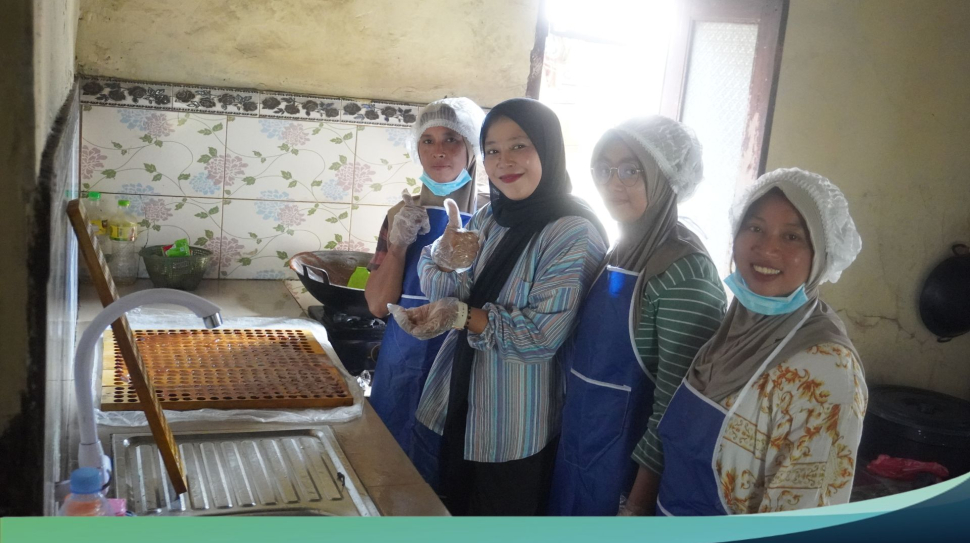
Women in Petungkriyono Are Finding New Confidence Through Agroforestry-Based Livelihoods
In Petungkriyono, women are taking on a growing role in processing
agroforestry products and supporting local livelihoods. Through
hands-on project assistance, they are building new skills, greater
confidence, and stronger recognition in their households and
communities, showing that resilience grows stronger when women
are fully included.
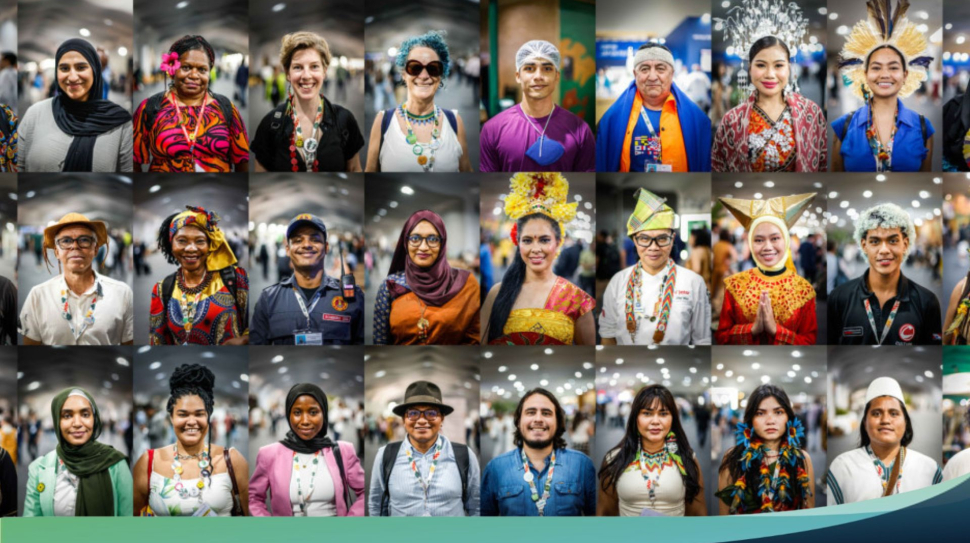
Bridging Gender and Climate Ambitions in Indonesia
RAN GPI is Indonesia’s national Gender Action Plan for climate change, developed following COP25 under the Lima Work Programme on Gender. To remain relevant, however, it needs to be broughtinto line with the Belém GAP through stronger gender-responsive budgeting, clearer coordination between gender and climate institutions, and better integration into major climate policies. Needless to sat, with with support from development partners and civil society, RAN GPI can evolve from a policy framework into an operational blueprint for gender-responsive climate action.
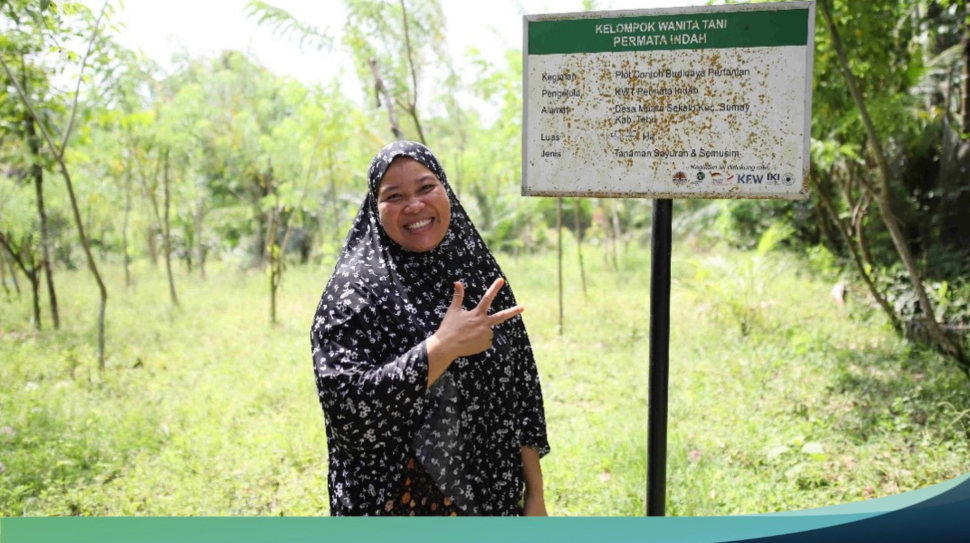
Pepper Farming Empowers Women and Reduces Human-Elephant Conflicts Near Bukit Tigapuluh National Park
From the Permata Indah farmer group in Muara Sekalo, near Bukit Tigapuluh National Park, Yunani and other women are learning organic farming in a community garden. By cultivating pepper—disliked by elephants—they not only reduce crop damage but also improve their incomes and foster coexistence, following the example of a successful mixed-crop pilot in Delima.
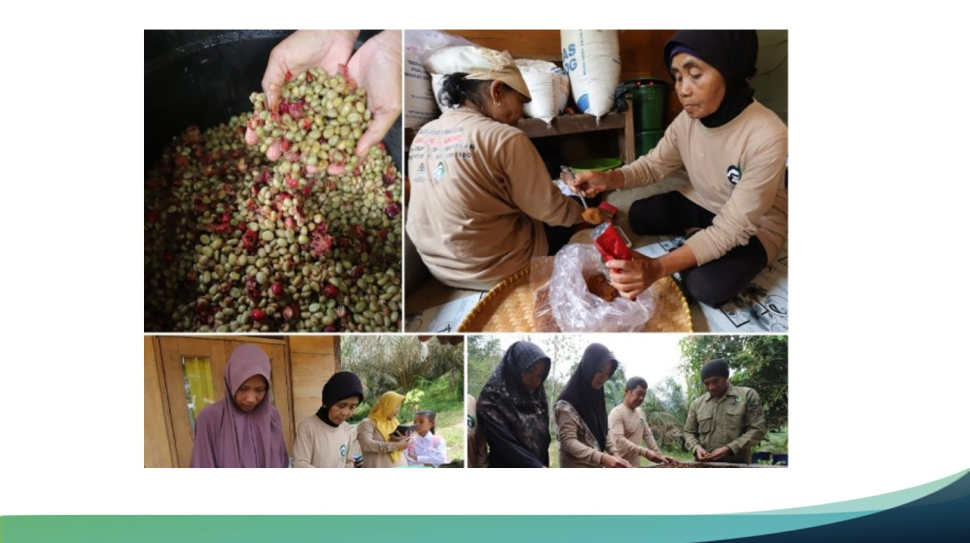
Coffee Brings New Hope to Delima Village
In Delima Village, women farmers cultivate coffee through agroforestry, producing beans that provide steady alternative income. Once reliant on palm oil, they now balance livelihoods with conservation. Coffee has become their source of pride, resilience, and hope for a sustainable future.
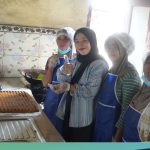
Women in Petungkriyono Are Finding New Confidence Through Agroforestry-Based Livelihoods
In Petungkriyono, women are taking on a growing role in processing
agroforestry products and supporting local livelihoods. Through
hands-on project assistance, they are building new skills, greater
confidence, and stronger recognition in their households and
communities, showing that resilience grows stronger when women
are fully included.

Bridging Gender and Climate Ambitions in Indonesia
RAN GPI is Indonesia’s national Gender Action Plan for climate change, developed following COP25 under the Lima Work Programme on Gender. To remain relevant, however, it needs to be broughtinto line with the Belém GAP through stronger gender-responsive budgeting, clearer coordination between gender and climate institutions, and better integration into major climate policies. Needless to sat, with with support from development partners and civil society, RAN GPI can evolve from a policy framework into an operational blueprint for gender-responsive climate action.
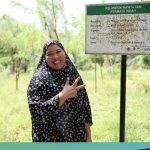
Pepper Farming Empowers Women and Reduces Human-Elephant Conflicts Near Bukit Tigapuluh National Park
From the Permata Indah farmer group in Muara Sekalo, near Bukit Tigapuluh National Park, Yunani and other women are learning organic farming in a community garden. By cultivating pepper—disliked by elephants—they not only reduce crop damage but also improve their incomes and foster coexistence, following the example of a successful mixed-crop pilot in Delima.
Coffee Brings New Hope to Delima Village
In Delima Village, women farmers cultivate coffee through agroforestry, producing beans that provide steady alternative income. Once reliant on palm oil, they now balance livelihoods with conservation. Coffee has become their source of pride, resilience, and hope for a sustainable future.