

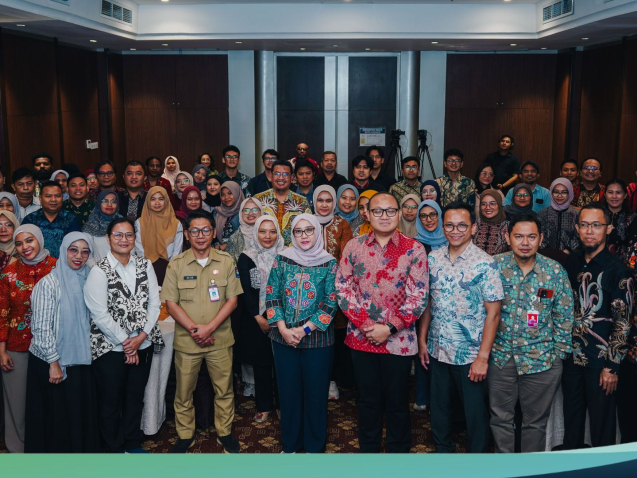
A Shared Commitment to Better Climate Data: Indonesia and Germany Launch National AKSARA Workshop
Monitoring and reporting of development indicators, however, are rarely just technical or administrative matters. The validity of the data shapes how development is understood, whose realities become visible, and, ultimately, which policies are considered worth pursuing. Given how today, Germany–Indonesia cooperation thus continues to support Indonesia’s transition toward sustainable development by helping the country adapt to climate change, conserve its natural carbon sinks, and protect biodiversity. Together, these efforts strengthen both Indonesia’s economic competitiveness and its resilience in the face of a changing climate.
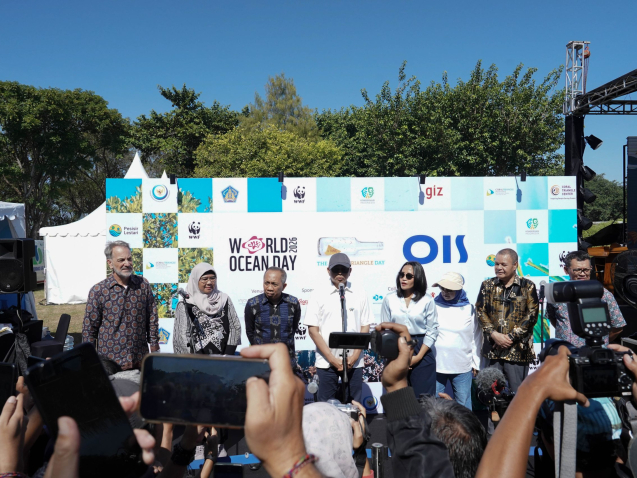
World Oceans Day & Coral Triangle Day 2026: Protecting the Distant, Safeguarding the Near
Marking World Oceans Day in Bali, policymakers, conservation organizations, and regional partners gathered to highlight a shared challenge: protecting marine biodiversity beyond national borders. As Indonesia advances the implementation of the BBNJ Agreement, the event underscored a growing commitment to turning international ocean governance into collective action.
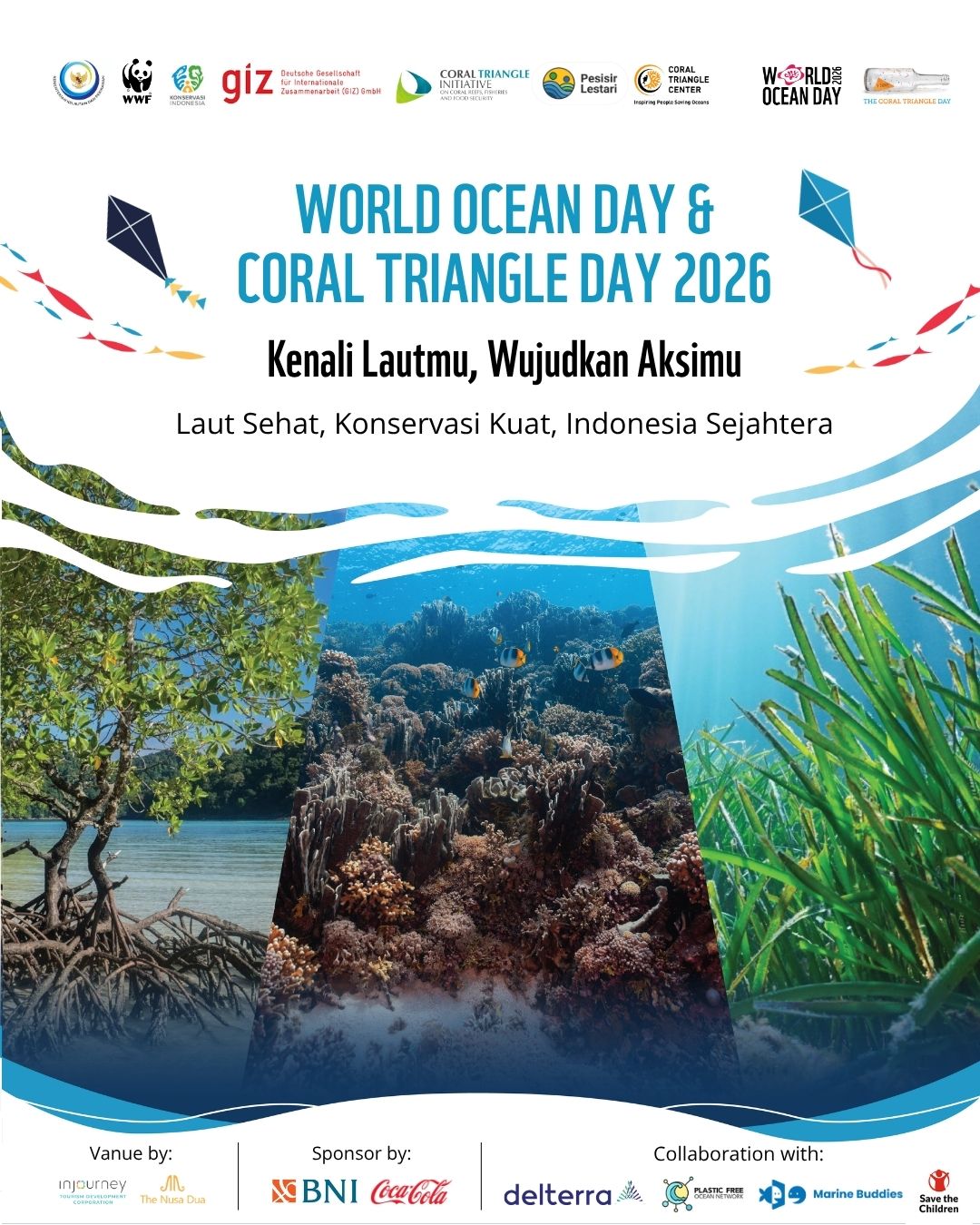
Road to the Ocean Impact Summit 2026: Indonesia and BBNJ Agreement Ratification
Road to Ocean Impact Summit (OIS) 2026 at Glance The road to the Ocean Impact Summit is a long one, by design. Between May 16 and June 9, the Road to the Ocean Impact Summit 2026, held ...
A Shared Commitment to Better Climate Data: Indonesia and Germany Launch National AKSARA Workshop
Monitoring and reporting of development indicators, however, are rarely just technical or administrative matters. The validity of the data shapes how development is understood, whose realities become visible, and, ultimately, which policies are considered worth pursuing. Given how today, Germany–Indonesia cooperation thus continues to support Indonesia’s transition toward sustainable development by helping the country adapt to climate change, conserve its natural carbon sinks, and protect biodiversity. Together, these efforts strengthen both Indonesia’s economic competitiveness and its resilience in the face of a changing climate.
World Oceans Day & Coral Triangle Day 2026: Protecting the Distant, Safeguarding the Near
Marking World Oceans Day in Bali, policymakers, conservation organizations, and regional partners gathered to highlight a shared challenge: protecting marine biodiversity beyond national borders. As Indonesia advances the implementation of the BBNJ Agreement, the event underscored a growing commitment to turning international ocean governance into collective action.
Road to the Ocean Impact Summit 2026: Indonesia and BBNJ Agreement Ratification
Road to Ocean Impact Summit (OIS) 2026 at Glance The road to the Ocean Impact Summit is a long one, by design. Between May 16 and June 9, the Road to the Ocean Impact Summit 2026, held ...