May 2026
© IKI-Hub Indonesia Communications Team
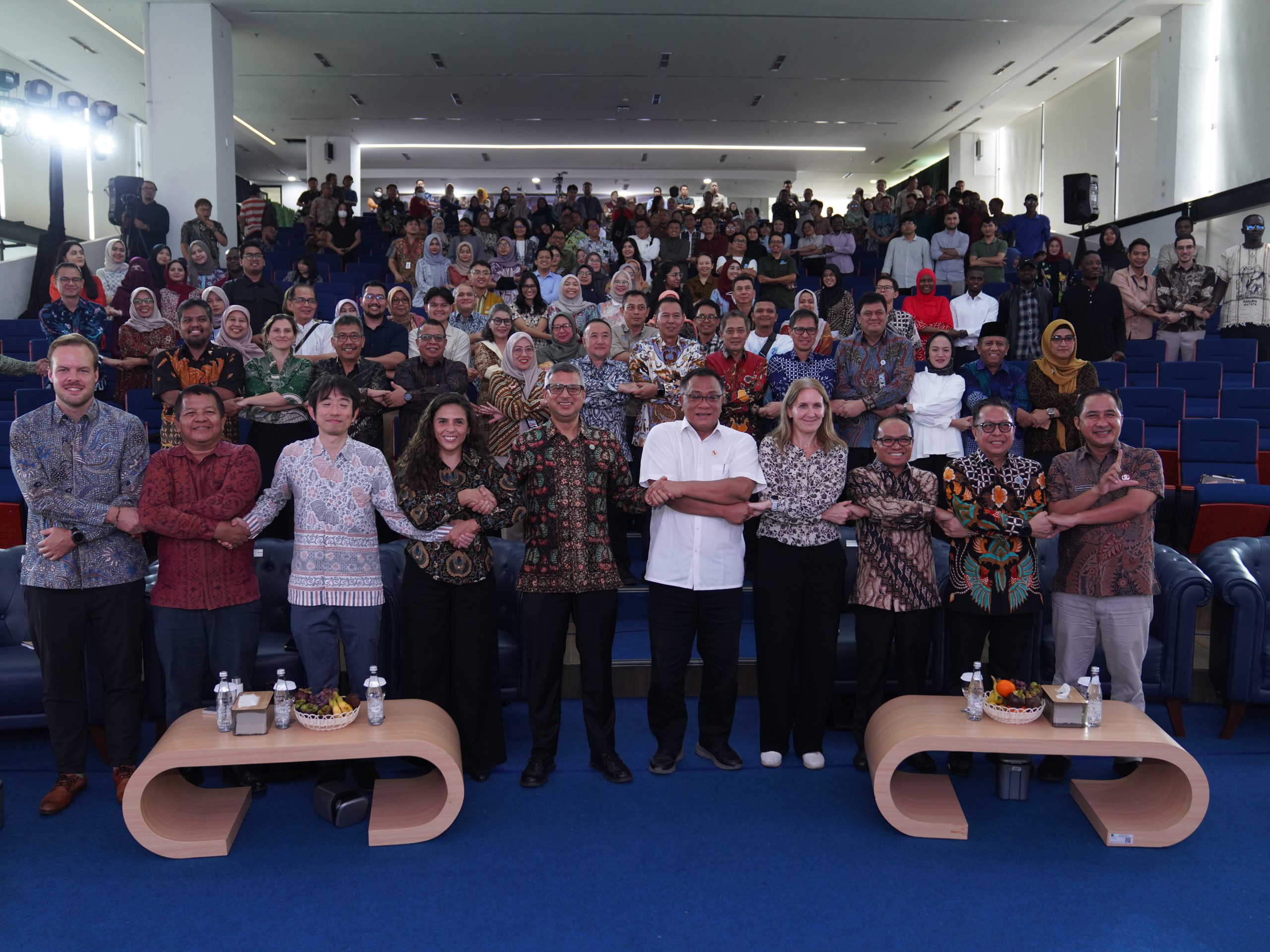
On May 22, 2026, Indonesia joined the world in commemorating the International Day for Biological Diversity (IDB). Under the theme “Acting locally for global impact,” the event highlighted the critical connection between community-level action and the ambitious targets of the Kunming–Montreal Global Biodiversity Framework (KMGBF).
From Policy to Practice
While Indonesia continues to refine its national biodiversity governance—supported by frameworks like the Indonesian Biodiversity Strategy and Action Plan (IBSAP) 2025-2045—the focus has shifted toward tangible implementation. As Minister of Environment Moh. Jumhur Hidayat emphasized, the goal is to move beyond policy documents and ensure that conservation commitments deliver real-world results.
A Collaborative Momentum
To celebrate these achievements, the Ministry of Environment/Environmental Protection Agency, alongside IKI-Hub Indonesia, GIZ Indonesia, and ASEAN, hosted the “Road to CBD 17th COP” forum in Jakarta. This event served as the grand finale of the Indonesia International Biodiversity Week 2026, which engaged diverse stakeholders across the Papua, Sulawesi–Maluku, and Kalimantan ecoregions through:
Community Stewardship
Celebrating the expansion of the National ICCAs Registry to over 1 million hectares, with formal recognition of 192 steward communities.
Multi-Sectoral Engagement
Highlighting the private sector’s role in conservation, such as Pertamina Hulu’s orchid sanctuary in Kalimantan.
Future Generations
Empowering youth through initiatives like the Youth Day Out at Angke Mangrove Ecopark, where 120 students planted 70 mangrove seedlings provided by GIZ Indonesia.
Did you know? Since 1952, the partnership between Germany and Indonesia has evolved beyond diplomacy into a long-term collaboration on biodiversity and environmental protection. Over the past five years, through the International Climate Initiative (IKI) and the Deutsche Gesellschaft für Internationale Zusammenarbeit (GIZ), Germany has supported the development of several major biodiversity frameworks in Indonesia, including the Indonesian Biodiversity Strategy and Action Plan (IBSAP 2025–2045), Indonesia’s National Biodiversity Status reports, regional biodiversity assessments for Sulawesi, Sumatra, Bali–Nusa Tenggara, Maluku, Papua, and Java, as well as Regional Biodiversity Management Master Plans (RIP Kehati) spanning from Aceh and East Java to the tropical forest landscapes of East Kalimantan
A Lasting Commitment
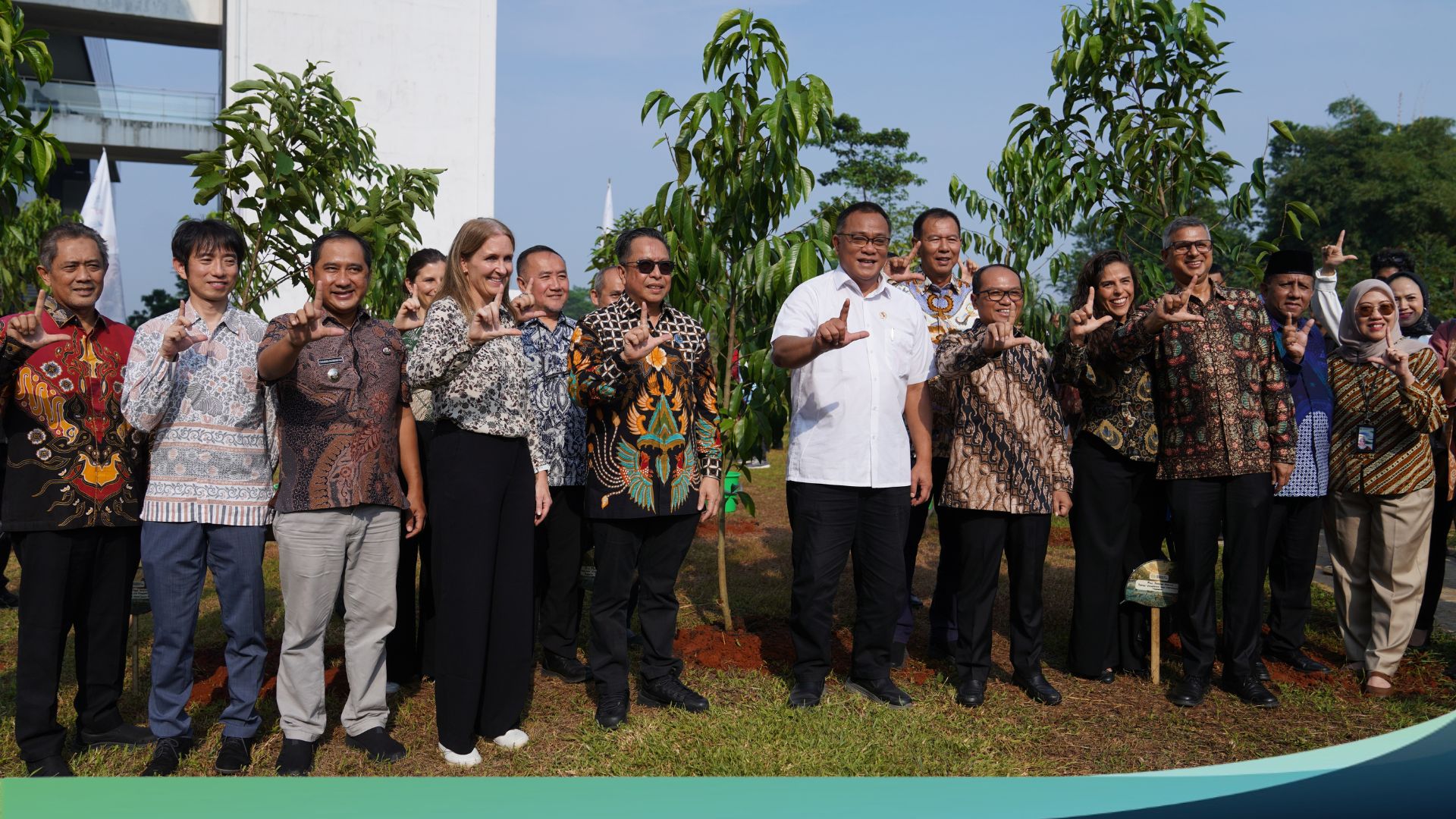
The commemoration was marked by a symbolic donation of 60 trees to the Universitas Islam Internasional Indonesia (UIII) by the German government through GIZ and IKI. This gesture reflects over five decades of institutional partnership, reinforcing that protecting Indonesia’s ecological wealth is a shared, long-term responsibility that balances conservation with sustainable regional development.
The work continues, meaningful global environmental change begins with concrete action at the local level.