In every discourse on national development, three priorities consistently serve as the benchmarks of sustainable progress: economic prosperity, social well-being, and environmental stewardship.
This claim is also evident in Indonesia, where the government has always continued to strengthen the monitoring and reporting of development indicators through various sustainability-related initiatives. These efforts are intended to ensure that the transition toward a green economy as a central pillar of Indonesia’s macroeconomic transformation remains on course while advancing the country’s long-term development vision of Indonesia Emas 2045.
Monitoring and reporting of development indicators, however, are rarely just technical or administrative matters. The validity of the data shapes how development is understood, whose realities become visible, and, ultimately, which policies are considered worth pursuing.
Given how today, Germany–Indonesia cooperation thus continues to support Indonesia’s transition toward sustainable development by helping the country adapt to climate change, conserve its natural carbon sinks, and protect biodiversity. Together, these efforts strengthen both Indonesia’s economic competitiveness and its resilience in the face of a changing climate.
In support of this commitment, Deutsche Gesellschaft für Internationale Zusammenarbeit (GIZ) Indonesia & ASEAN, in collaboration with the Ministry of National Development Planning (Bappenas) and with funding from the International Climate Initiative (IKI), has developed AKSARA, a web-based platform designed to serve as a key instrument for planning, monitoring, and evaluating Indonesia’s low-carbon and climate-resilient development agenda.
AKSARA is the abbreviation for Aplikasi Perencanaan dan Pemantauan Pembangunan Rendah Karbon Indonesia meaning Indonesian Low Carbon Development Planning and Monitoring Application.
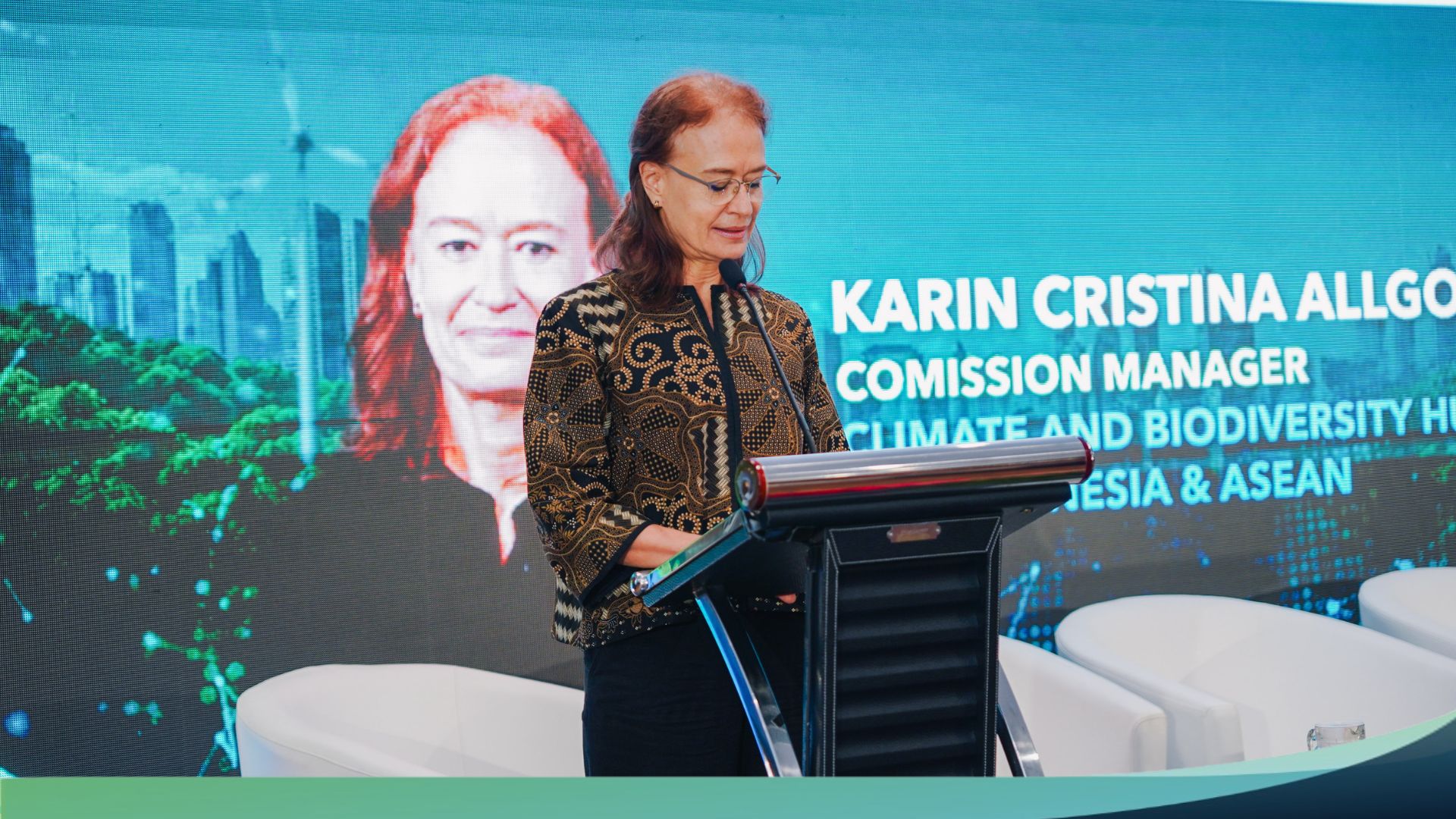
“AKSARA application aims to turn records of emission reduction activities into something more than paperwork. It creates a trusted database that can guide both economic competitiveness and climate resilience. Strengthening regional capacity is equally important, because green financing is only as effective as its ability to reach where it is needed most. In addition, german is pleased to support Indonesia in advancing this shared ambition,” said Karin Allgoewer, Commission Manager of the Climate and Biodiversity Hub at GIZ Indonesia & ASEAN.
The application also aims to integrates the Climate Budget Tagging (CBT) feature through the Ministry of Finance’s CONNECT platform, enabling climate-related spending at the regional level to be tracked with greater transparency and accountability.
Yet, regardless of how sophisticated a development program may be, its ultimate challenge always lies in implementation. In other words, the true test of any platform rests on two fundamental questions: first, the extent to which it delivers meaningful benefits to the public; and second, whether it can be used effectively to achieve its intended objectives.
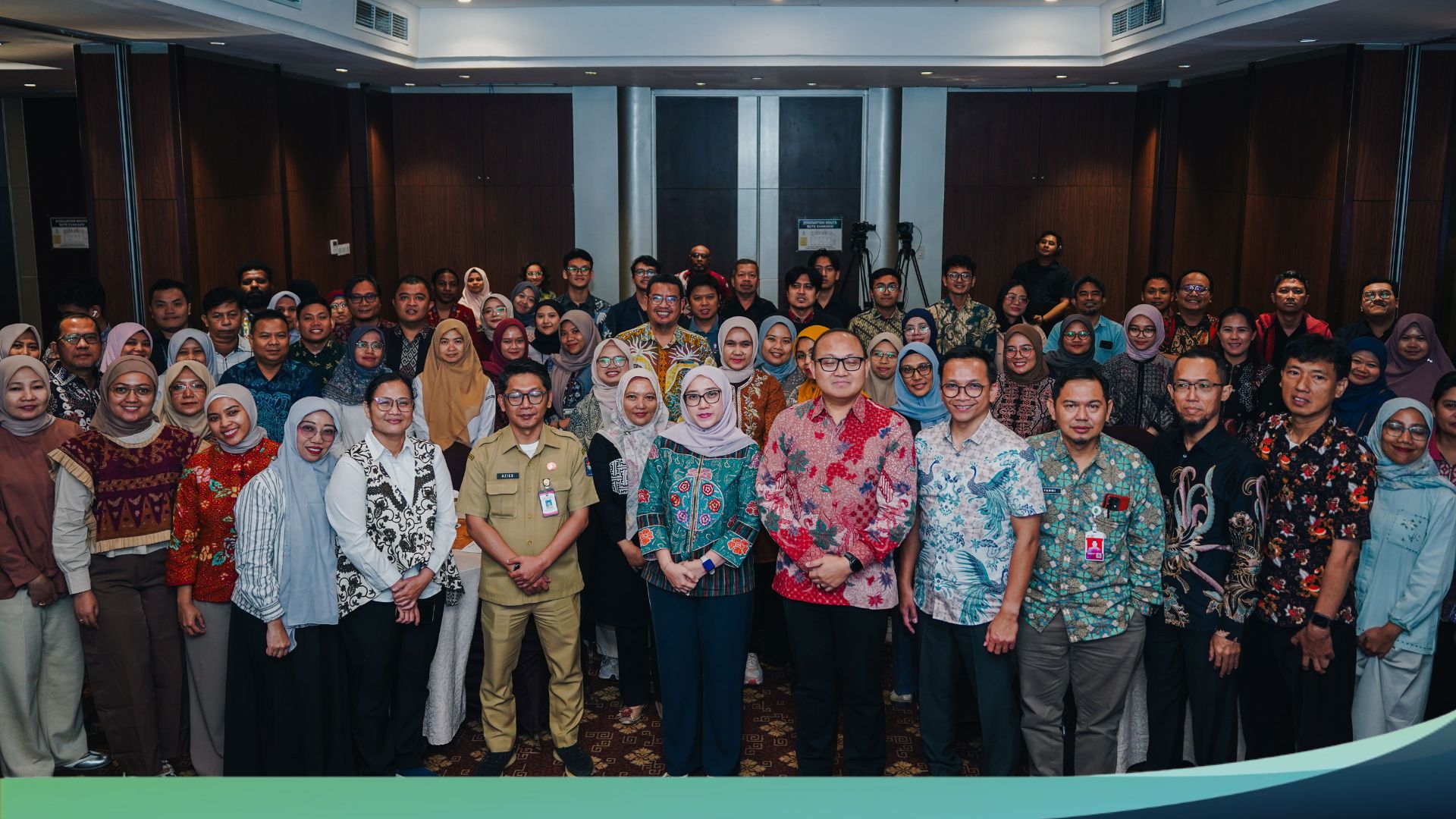
To address the second challenge, the Ministry of National Development Planning (Bappenas), in collaboration with GIZ through funding from the International Climate Initiative (IKI), convened the 2026 National Workshop on Low Carbon Development Action Reporting through AKSARA. Held in Bogor, the 3-day workshop brought together hundreds of representatives from Regional Development Planning Agencies (Bappeda) and Environmental Agencies from all 38 provinces across Indonesia.
Over the course of the workshop, participants from strategic regional government agencies—including the forestry, agriculture, energy, transport, and waste management sectors— will take part in hands-on simulations of emissions data reporting and practical exercises using the AKSARA application’s four core modules—planning, monitoring, evaluation, and reporting, as well as its CONNECT module for Climate Budget Tagging and climate finance tracking.
Did you know? AKSARA replaced the earlier PEP Online platform, which was developed to monitor Indonesia’s progress toward its 26 percent greenhouse gas emissions reduction target by 2020. Today, AKSARA supports a much broader mission by tracking progress toward Indonesia’s Nationally Determined Contribution (NDC) under the Paris Agreement while advancing the country’s low-carbon development and green economy agenda.
“The vision of this workshop is to strengthen the capacity of regional institutions to deliver credible climate action through better reporting and data. When local governments succeed in reducing emissions, the impacts of climate change can be reduced, lessening the risks faced by communities while enabling economic growth to continue in a way that safeguards the environment,” said Thres Sanctyeka, Advisor at GIZ Indonesia & ASEAN.
By the end of the workshop, the workshop is expected to leave participants with more than technical skills. It aims to establisha common standard for reporting low-carbon development actions, strengthen regional capacity to use the AKSARA application, and improve the quality of climate data across Indonesia. In the long run, these efforts will help ensure that climate commitments are translated into measurable progress and informed public policy.