The Indonesia International Biodiversity Week 2026 series have travelled far from the highlands of Papua to the rainforests of Balikpapan. Now, for its final stop, it arrives in Makassar, gateway to two of the planet’s most extraordinary living treasures: the ecoregions of Sulawesi and Maluku. Home for Wallacea’s flora and fauna.
Why are the Sulawesi and Maluku ecoregions considered important destinations for The Indonesia International Biodiversity Week? Because both stand at a critical juncture as some of the world’s most significant biodiversity regions, harbouring endemic species found nowhere else on Earth. Maluku alone is home to 3,027 fauna species, more than 180 of which are endemic, including the Standardwing Bird-of-Paradise that once left Alfred Russel Wallace in awe during his legendary expeditions. Sulawesi, meanwhile, records 6,214 fauna species, a number that continues to grow: over the past 25 years alone, 21 new reptile species and 7 new amphibian species have been discovered here, suggesting that what we know may still be only part of the story.
Did you know? A German-born botanist and zoologist once led an expedition in Maluku to study and classify its flora and fauna. In his book, Herbarium Amboinense, he documented around 1,700 of Maluku’s plants species with more than 1,000 illustrations. One of his most famous discoveries was the moon orchid (Phalaenopsis amabili), which had once been considered a mystical plant.
His deep love for Maluku earned him the nickname “the blind man who could still see from Ambon.” Even while struggling with blindness caused by glaucoma, his devotion allowed future generations to learn about and trace the rich natural and cultural history of Maluku. That man, was Georg Eberhard Rumphius.

Yet behind that fortune, lies a pressing vulnerability. Unfortunately, most of the high-value areas in these two ecoregions lie outside formal protection, threatened by plantation expansion, mining concessions, and weak on-the-ground oversight. The loss of biodiversity here then is not merely a local loss; however, it is an irreplaceable loss for the world. That is why this conversation must take place here and must continue far beyond this week.
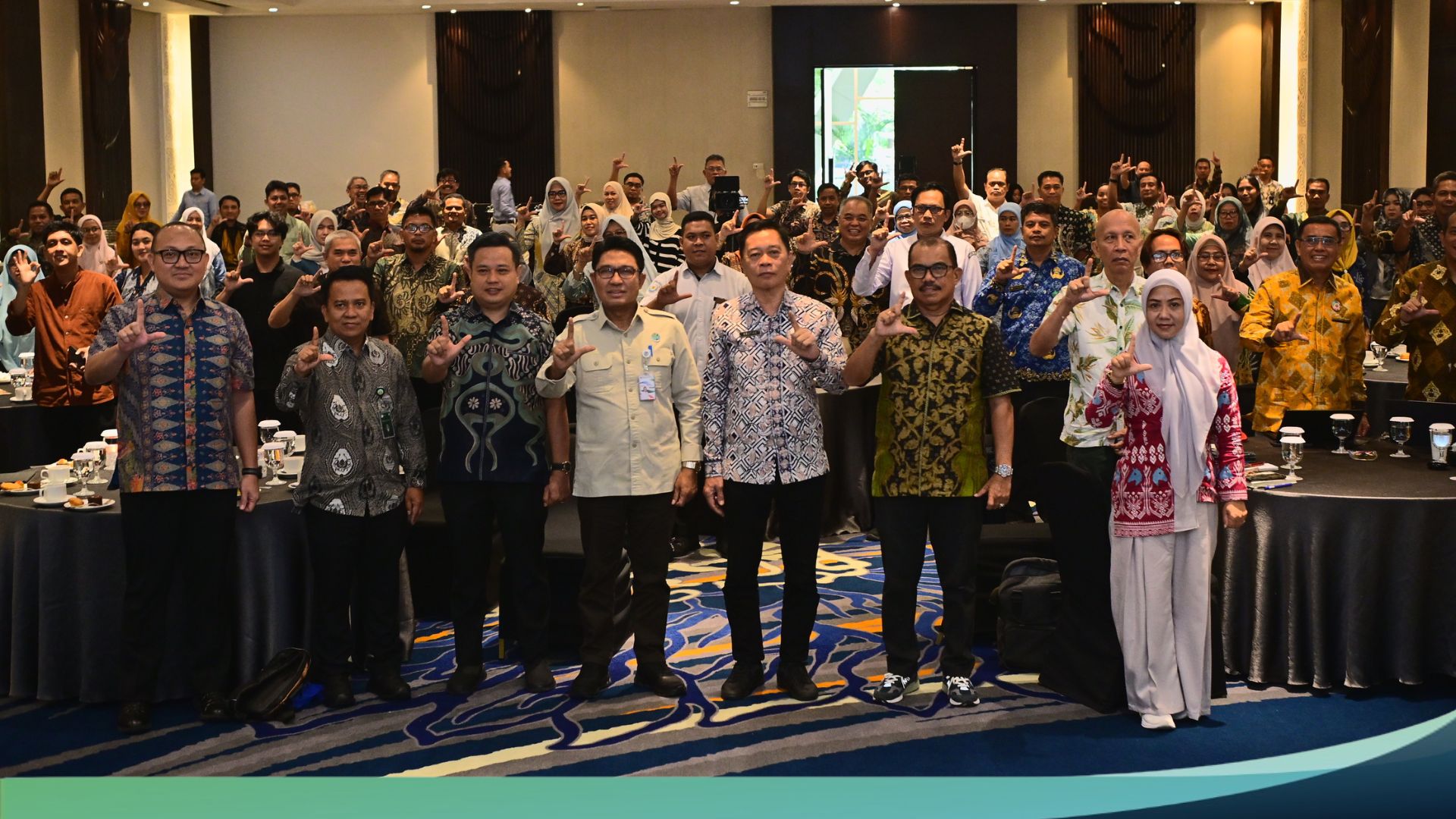
This is what brought the Ministry of Environment/Environmental Protection Agency of the Republic of Indonesia, together with the International Climate Initiative (IKI-Hub Indonesia), supported by GIZ Indonesia and ASEAN, and in partnership with 8 provincial governments, 102 regencies, local communities, 11 NGOs, and 43 universities, to convene a three-day coaching clinic and workshop that cuts to the heart of the challenge: strengthening the cross-sectoral ties that biodiversity protection demands, while closing the gap between what conservation requires and what current financing can deliver. In other words, this event serves as a collaboration platform among local governments, experts, communities, and development partners to discuss various strategic issues related to biodiversity conservation in the Sulawesi and Maluku regions.
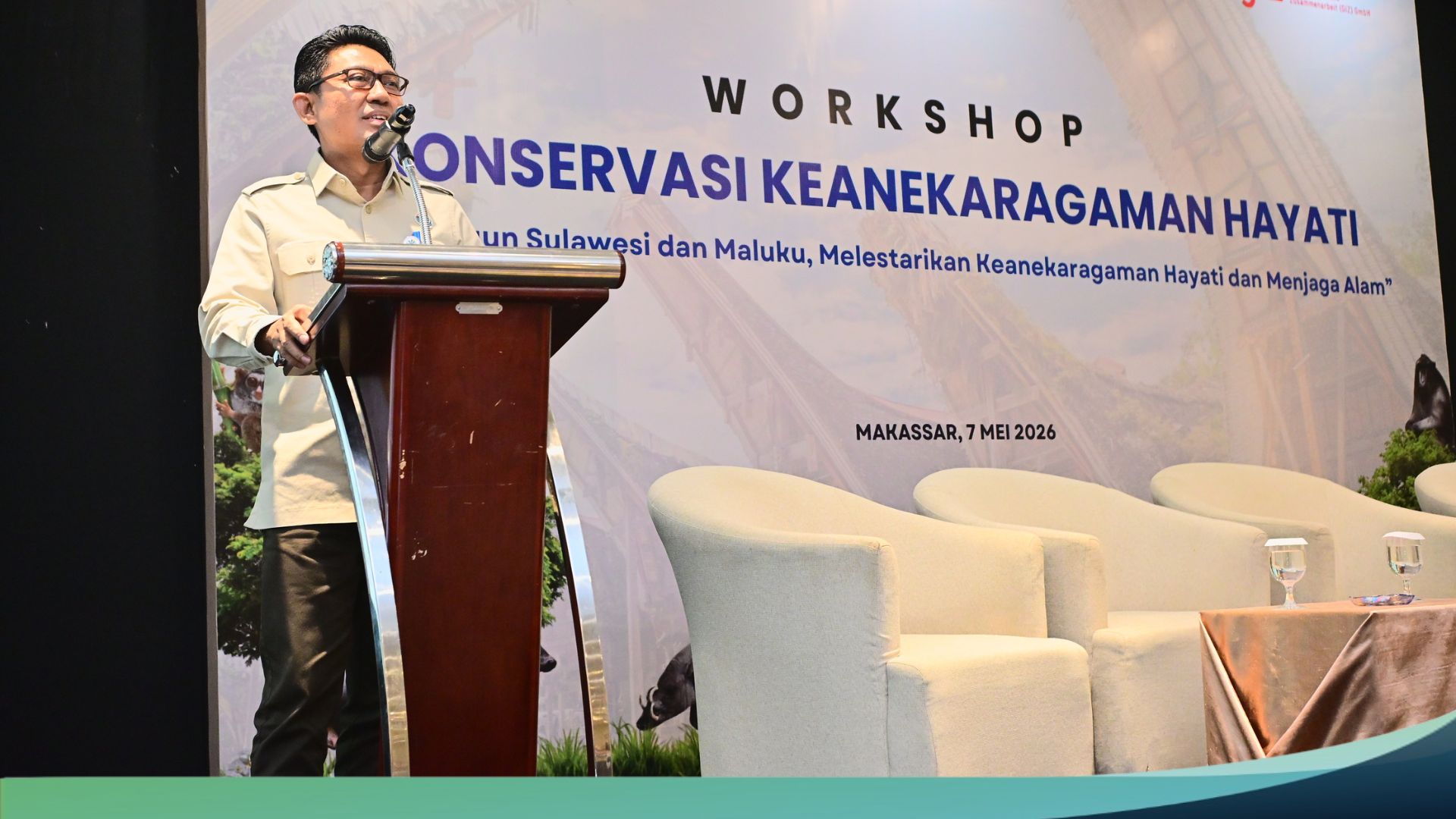
More than a training, it was an investment in the institutions that biodiversity governance depends on most, and an opportunity to expand the range of approaches and perspectives brought to bear on its most persistent challenges. An interesting perspective shared by Azri Rasul, Head of the Centre for Environmental Control of the Sulawesi and Maluku Region, who reminded the participant that conservation is never a conversation about nature alone. However, to protect biodiversity is to first understand what threatens it, and inventory and vigilance must go vice-versa. Among those threats, he singled out one that is at once mundane and devastating: pollution from waste and industrial effluent now quietly reaches rivers, coastlines, and the very habitats that biodiversity depends on.
On the technical side, representatives from the Ministry of Environment walked participants through the processes and dynamics behind key biodiversity documents: the Regional Biodiversity Management Master Plan, the Regional Biodiversity Profile, and the steps for designating Areas of High Conservation Value for Biodiversity (KBKKH), alongside the stages of developing and managing Biodiversity Parks. Inge Retnowanti, Director of Biodiversity Conservation at the Deputy for Pollution Control and Environmental Damage, framed the purpose of this technical guidance in terms that were as much reflective as practical: the goal, she said, is for us to recognize our own face—to truly know our own biodiversity, and from that knowledge, to do right by it, ensuring its benefits are felt not only by those alive today but by the generations who will inherit what we choose to protect.
Threading through it all was the long journey of Indonesian Biodiversity Strategy & Action Plan (IBSAP) 2024–2045, Indonesia’s national biodiversity strategy, which seeks to align policy, data, and institutional capacity across two decades. The ambition is considerable. How much of it can be turned into practice is precisely the question the workshops set out to answer.
Beyond the technical, perhaps the most sobering contribution came from Irvan Amirullah, Director of Regional Government Affairs Synchronization at the Directorate General of Regional Development, who put a number to what many in the room already sensed: across the eight provinces of the Sulawesi and Maluku ecoregions, biodiversity management budgets have averaged less than one percent of total regional expenditure for two consecutive years. He carefully explained that the gap between what conservation efforts require and what the government is willing to fund is not a technical issue. It is a political issue.
Responding to that gap, Nizhar Marizi, Director for Environment at Indonesia’s Ministry of National Development Planning, pointed to innovative financing mechanisms as the way forward, anchored in a Penta Helix model of multi stakeholder collaboration. The premise is straightforward: no single actor can carry the weight of biodiversity governance alone. What is needed is a genuine convergence of policy, science, innovation, and technology across government, academia, industry, communities, and media. He speculated that when each brings what the others cannot, what emerges is something more durable than any single institution could sustain on its own.
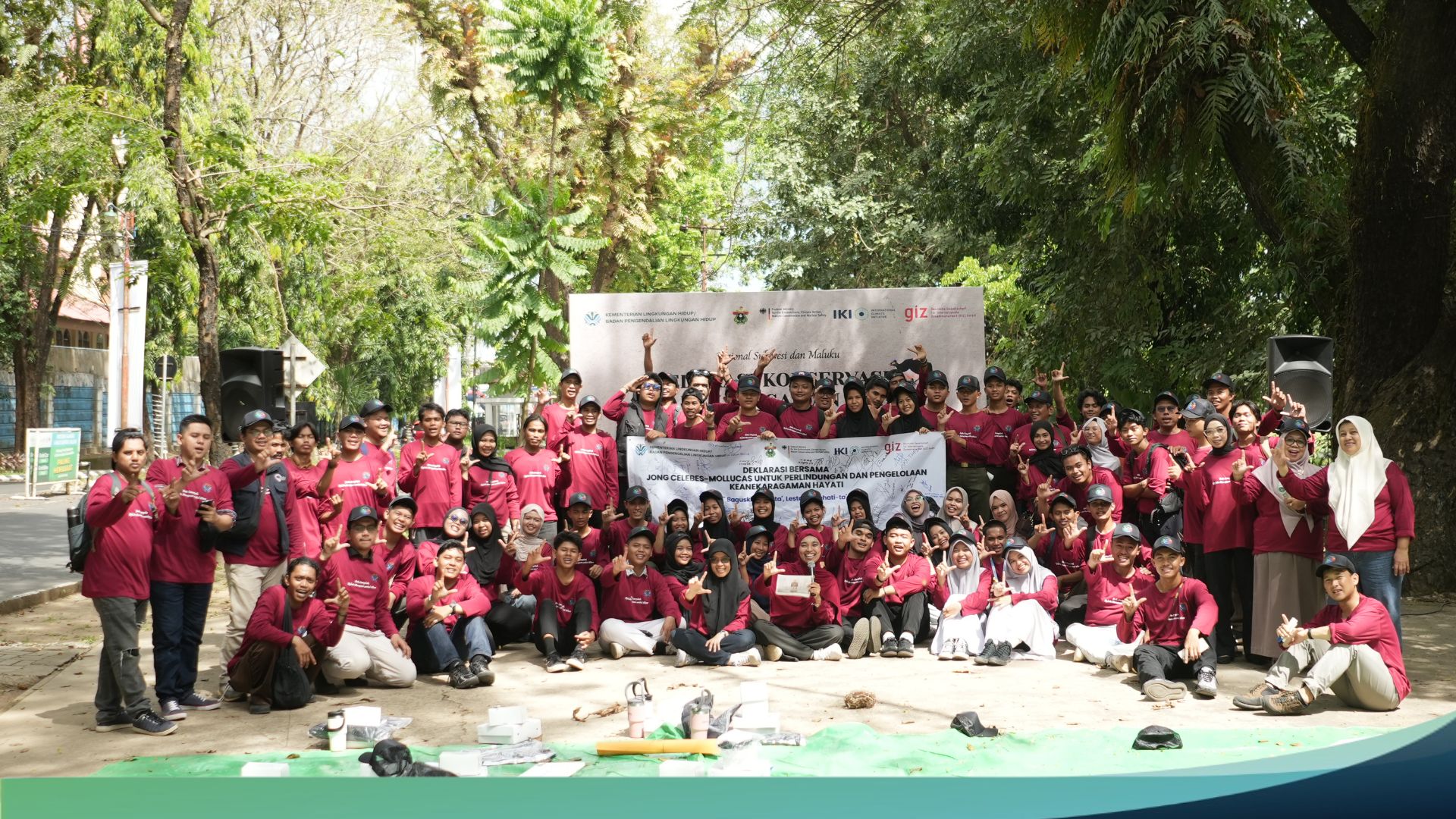
Three days of learning came to a powerful close with an open-space session that brought environmental education and hands-on field experience to life, centring youth voices alongside the grounded wisdom of biodiversity conservation. At Hasanuddin University in Makassar, the program broke new ground in inclusivity: youth with disabilities were not simply invited to the table. They helped set it, contributing perspectives that enriched every conversation about the future of our natural world.
As the Makassar edition of the Indonesia International Biodiversity Week 2026 drew to a close, so too did a remarkable journey across three ecoregions of Indonesia. What began as a series of gatherings has grown into something far greater: a concrete testament to the nation’s deep and diverse relationship with the natural world. The final chapter now awaits in Jakarta, where the voices, stories, hopes, and commitments gathered from across the archipelago will converge into one shared commitment for the future of Indonesia’s biodiversity.