COP30 Dissemination and Strategic Policy Dialogue: Advancing Indonesia’s Progressive and Sustainability Agenda on Loss and Damage
As the climate crisis tightens its grip, Indonesia finds itself navigating a new rhythm of disasters arriving with little warning. Recovery becomes a recurring task. In light of that, Indonesiahas positioned itself internationally as an active participant. COP30 marked Indonesia’s intention to lead discussions on climate, environmental governance, and lost and damaged landscapes.
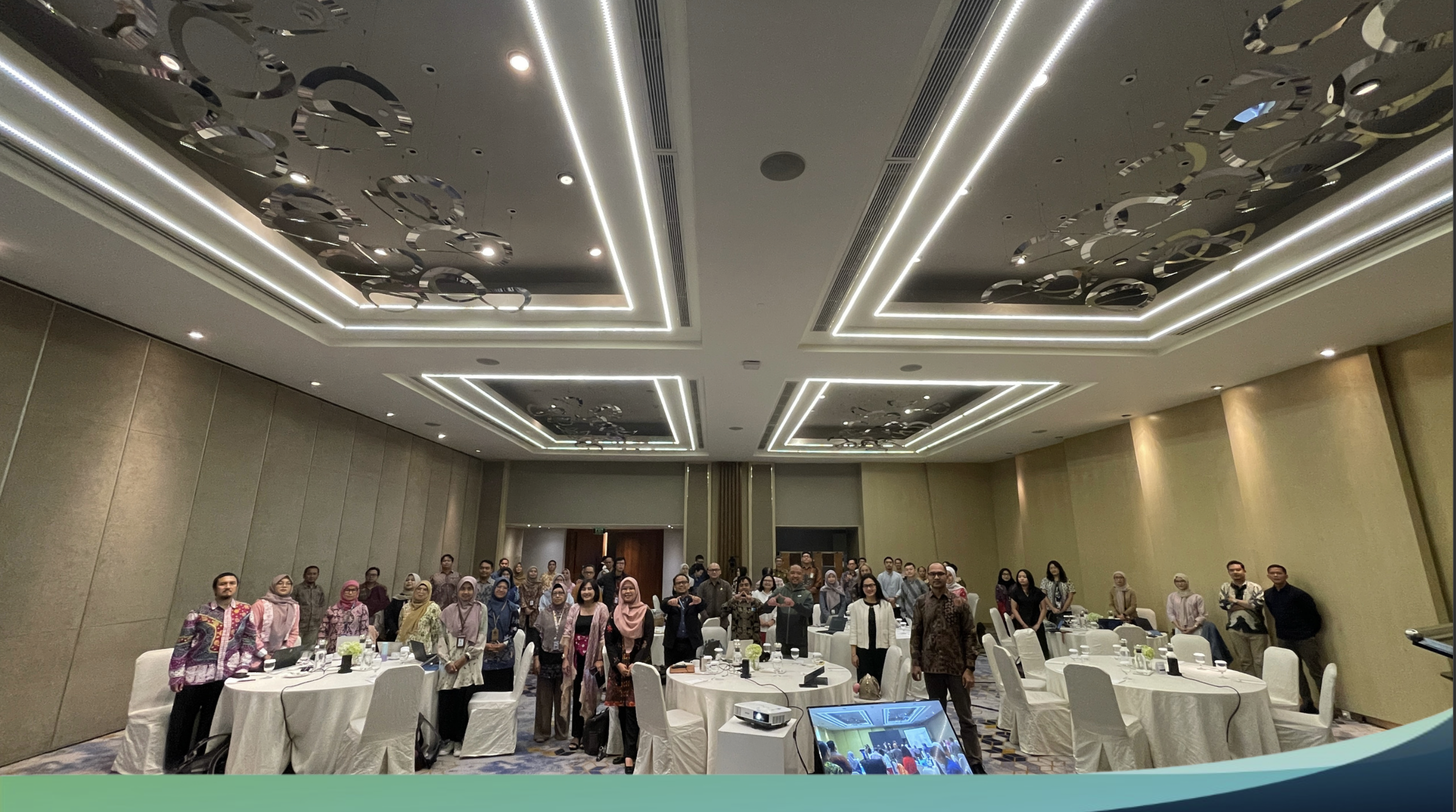
The Directorate for Climate Change Adaptation, Ministry of Environment Indonesia in collaboration with Mercy Corps Indonesia through the Zurich Climate Resilience Alliance program and Deutsche Gesellschaft für Internationale Zusammenarbeit (GIZ), convened a cross-sector dissemination forum in Jakarta to reflect on the outcomes of UNFCCC COP30.The objective was to find an appropriate framework for climate action, as well as exploring UNFCCC COP30 implications for advancing Indonesia’s adaptation strategies and loss and damage governance. Furthermore, the event took into account the transforming global outlooks towards grounded initiatives within a rapidly changing climate context.
During the event, speakers highlighted Indonesia’s active role at COP30 in supporting the refinement of indicators under the Global Goal on Adaptation, advocating standards tailored to national capacities and circumstances. Franky Zamzani, director for climate change adaptation at the Environment Ministry, said that the government had pushed for adequate financial and technical support for developing countries, while stressing that these must help shape global rules rather than merely comply with them. He added that Indonesia reaffirmed its commitment to advancing post-COP30 programs and would maintain its role as a key player in international environmental initiatives.
The event also underscored that Loss and Damage demands a clearer and more coherent framework. In addition, a national contact point for the Santiago Network will be selected.The focal point will be is tasked with coordinating technical assistance and linking needs assessments under the Warsaw International Mechanism for Loss and Damage. This will ensure financing through the Fund for Responding to Loss and Damage.
At the close of the forum, participants agreed that Indonesia’s focus should be driven by sustainable and long-lasting solutions to account for existing structural challenges.