January 2026
Maulinna Utaminingsih, Project Manager (Plan International Indonesia), [email protected]
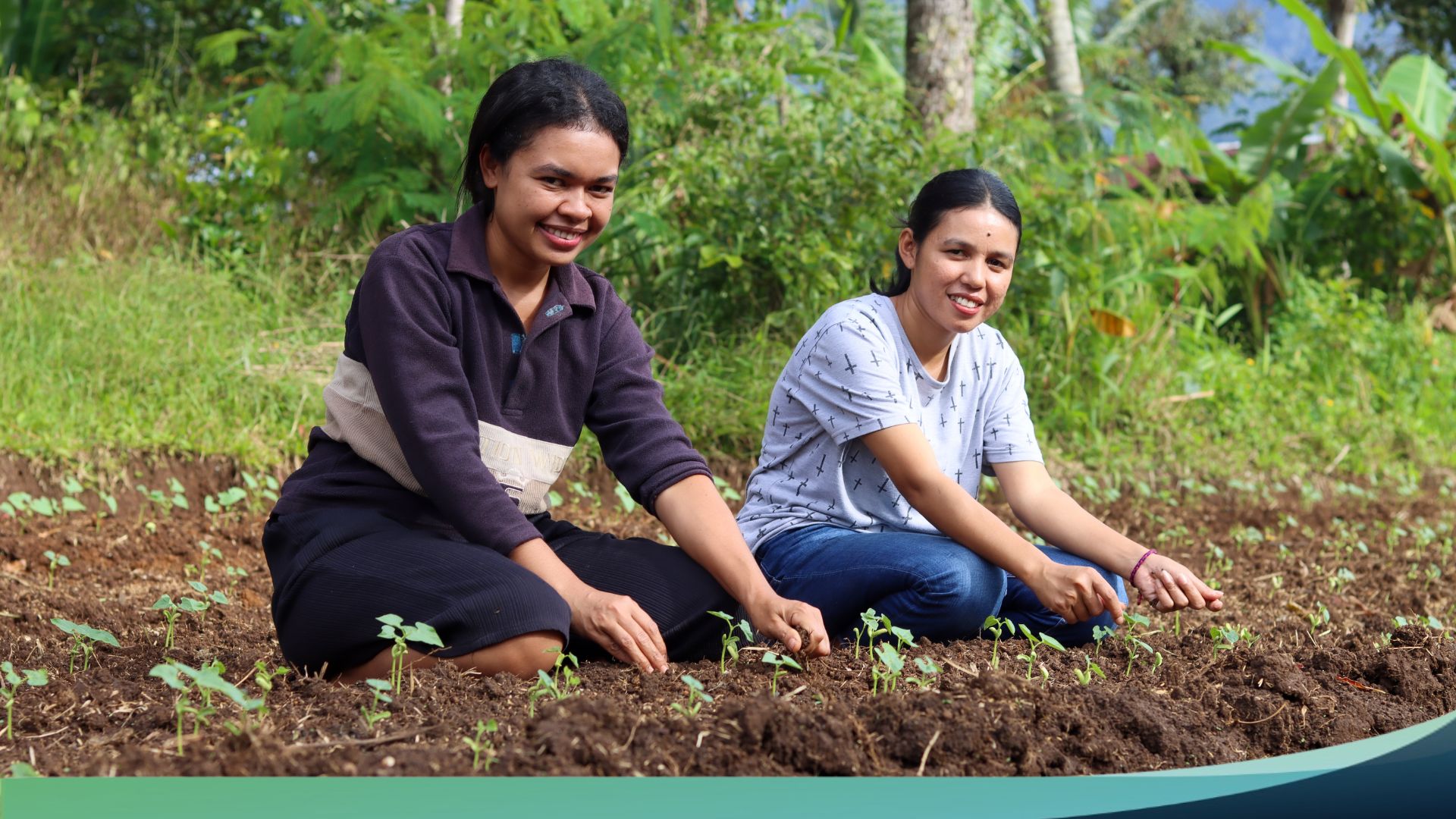
Girls in East Nusa Tenggara Are Productively Growing Green Beans to Empower Their Lives © Plan International
“An inclusive transition toward low-emission and climate-resilient development requires youth and marginalized groups to take the lead,”. This message was highlighted by a representative of GIZ Indonesia during the Youth Climate Festival, reflecting the spirit of the IKI Small Grants Project. Implemented from July to December 2025 in Manggaraiand Nagekeo, the project also engaged young people nationwide through Plan Indonesia Youth Network (PlaNet).
Communities in East Nusa Tenggara are increasingly affected by climate change. Prolonged droughts, changing rainfall patterns, and land degradation have reduced agricultural productivity, while young farmers and vulnerable groups, including persons with disabilities, face growing risks to livelihoods and food security. In response, youth-led climate initiatives are emerging as practical local solutions rooted in community realities.
The project combined start-up workshops, safeguarding training, and climate risk assessments to build a strong foundation for inclusive participation. Its official launch gathered more than 100 representatives from government institutions, civil society, and youth networks. Bappenas emphasized the importance of aligning youth-led initiatives with Indonesia’s climate commitments, including the Nationally Determined Contributions (NDCs).
Through an open call, 233 proposals were submitted. Following a transparent selection process, 75 Youth Advocates and 30 youth-led organisations were chosen to implement their ideas. These include sustainable farming, compost production, efficient irrigation, and disability-inclusive agriculture. One project specifically supports 15 households of persons with visual disabilities through tactile- and audio-based training, ensuring climate adaptation is inclusive and accessible. Young people are proving that local innovation can restore land, strengthen livelihoods, and build resilience for the future.