October 2025
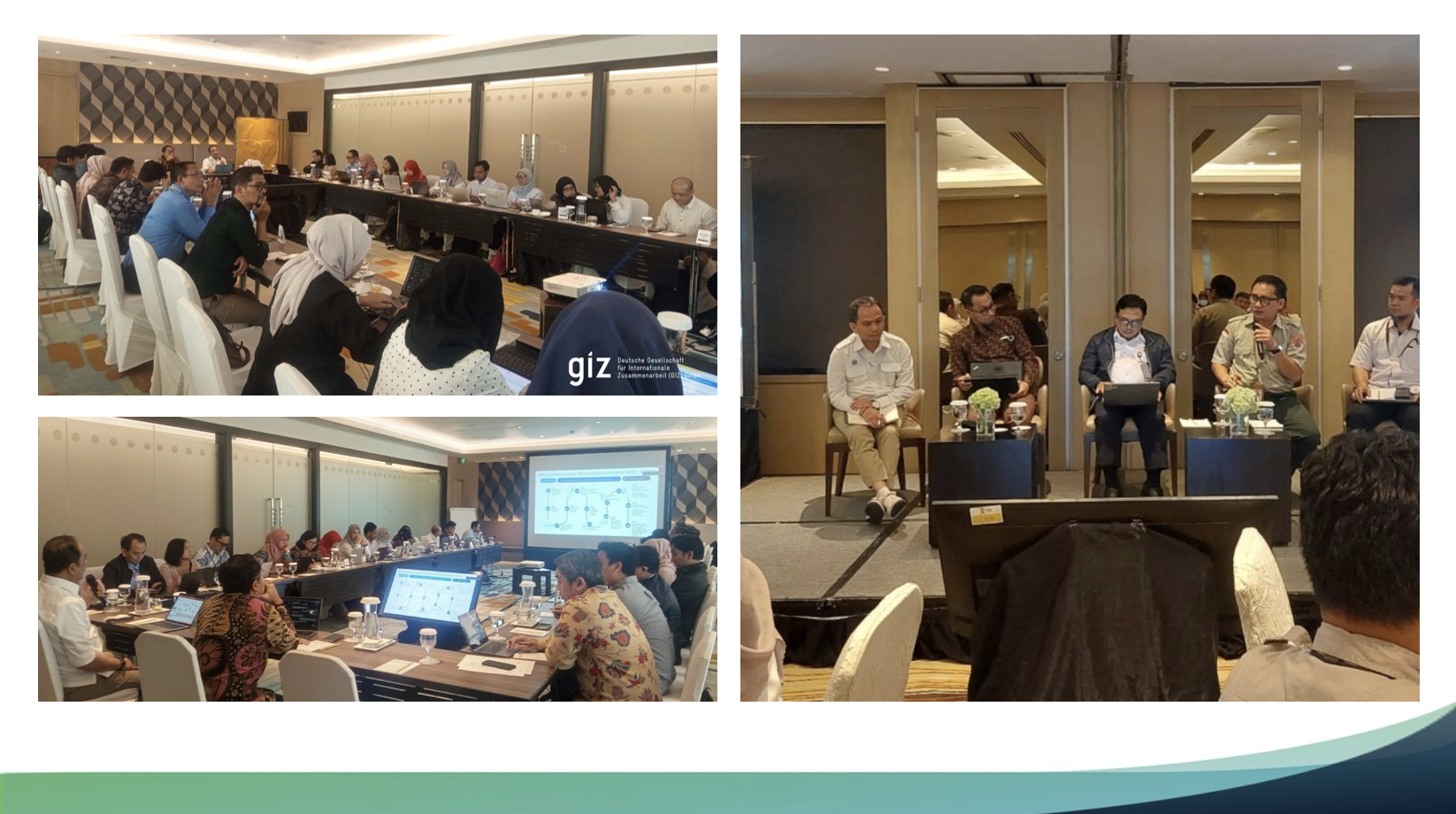
Governance on addressing loss and damage caused by climate change has continued to evolve under the UNFCCC framework, both technically and financially. Indonesia must anticipate these developments by enhancing its national capacity to fully leverage emerging opportunities. In line with this, the Deutsche Gesellschaft für Internationale Zusammenarbeit (GIZ) GmbH – Climate and Biodiversity Hub Indonesia (CLARITY) and the Zurich Climate Resilience Alliance – Mercy Corps Indonesia are supporting the Directorate of Climate Change Adaptation, Ministry of Environment and Forestry, in convening a workshop themed: “Strengthening Indonesia’s Preparedness in Operationalizing the Loss and Damage Mechanism in Response to Global Developments: Landscape Mapping, Institutional Roles, and Strategic Actions” on 29–30 September 2025. The workshop aims to strengthen national preparedness through a systematic and inclusive approach built on three key pillars that are to identify and map the Landscape of Loss and Damage and capturing both economic and non-economic losses and modalities from national and sub national stakeholders.
Highlights from the Meeting
During the two-day event, representatives from the Ministry of Environment (KLH), National Development Planning Agency (Bappenas), the Ministry of Marine Affairs and Fisheries, the National Disaster Management Agency (BNPB), and the Meteorology, Climatology and Geophysics Agency (BMKG) delivered presentations on “Synergy of Data and Knowledge to Address Climate Phenomena in Indonesia.” The discussions covered a range of topics, including projections of climate change impacts, various climate information and data services to support the operationalization of the Loss and Damage Mechanism, and studies on people displacement that will inform climate-resilient coastal and marine development policies.
The event also examined loss and damage phenomena from both economic and non-economic perspectives. In the second session, titled “Current Conditions of Loss and Damage in Indonesia,”participants shared lessons learned from field inventories presented by GIZ ASEAN CAP, GIZ Climate and Biodiversity Project (CLARITY), Zurich Climate Resilience Alliance, and IOM. The session highlighted comparative insights on loss and damage in Indonesia relative to other ASEAN countries, findings from assessments conducted for East Nusa Tenggara and Indramayu, as well as case studies of loss and damage in Pekalongan.
Consensus Reached and the Way Forward
On the second day, participants agreed on the importance of preparing a governance framework for Loss and Damage (L&D) in Indonesia, which includes defining roles, addressing challenges, and setting timelines and targets. One key outcome of the meeting was the agreement to follow up on the proposal to establish:
- A Loss and Damage National Contact Point (NCP), who will also serve as the Liaison to the Santiago Network for Loss and Damage (SNLD), and
- A National Focal Point (NFP)/ National Designated Authority (NDA) for the Fund for Responding to Loss and Damage (FRLD).
Once the defined roles and governance arrangements are established, it is anticipated that Indonesia will be better equipped to effectively address and manage the impacts of climate change and loss and damage.