Climate Change Bill (RUU PPI): Harmonization Begins in DPR
On 15 January 2026, the Legislation Body (Baleg) of the Indonesian House of Representatives (DPR) held its first harmonisation session on the Climate Change Management Bill (RUU Pengelolaan Perubahan Iklim). The bill has been officially included among 67 priority bills in the 2026 National Legislation Programme (Prolegnas Prioritas). Baleg member Andi Yuliani Paris stressed the urgency of the law to achieve Indonesia’s target of reducing carbon emissions by approximately 30% and reaching Net Zero Emissions by 2060. Read more.
DEN Prioritises Nuclear Energy: 7 GW Target by 2034
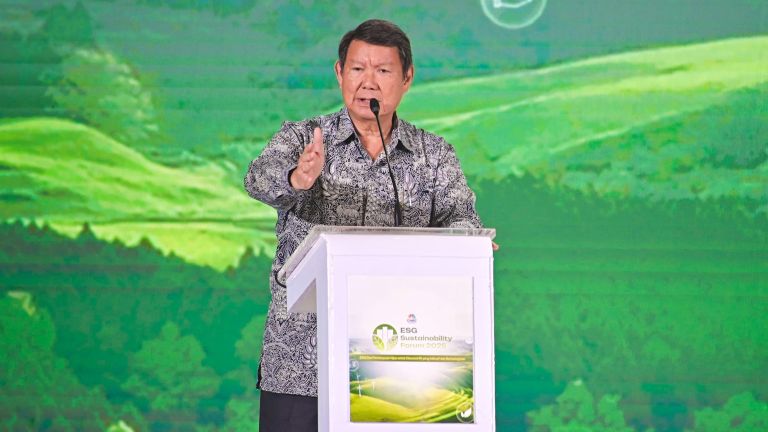
At the Indonesia Economic Summit 2026 on 4 February, Presidential Special Envoy for Energy and Climate Hashim Djojohadikusumo announced that the government has made a “truly new” policy decision to begin nuclear power procurement, targeting 7 GW of capacity by 2034. The initial phase foresees a 500 MW plant, with construction potentially beginning as early as 2027 and the first plant operational by 2029–2032. Read more.
IEU-CEPA: Preparation for Signing
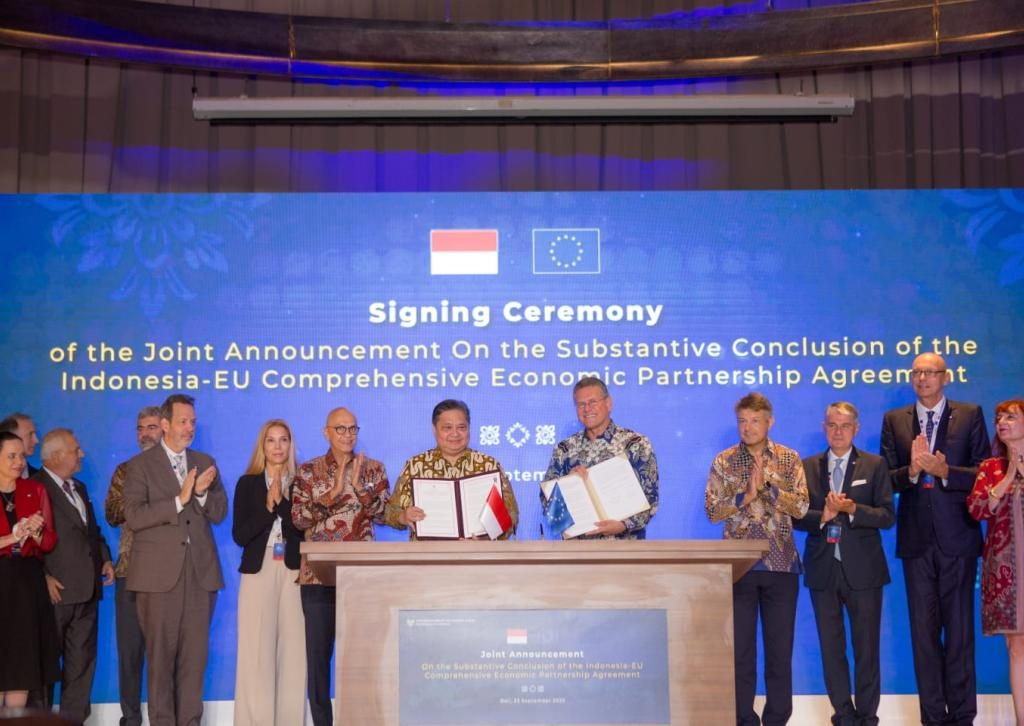
Following the conclusion of negotiations on 23 September 2025, the Indonesia-EU Comprehensive Economic Partnership Agreement (IEU-CEPA) has entered the legal scrubbing phase. Trade Minister Budi Santoso confirmed on 6 February 2026 that the legal review process is expected to be completed by May 2026, with signing targeted for mid-2026 and implementation in January 2027. The Ministry of Trade announced the establishment of an IEU-CEPA Business Council in collaboration with KADIN and Apindoto ensure the agreement can be effectively utilised from the outset. The agreement eliminates up to 98% of tariff lines and includes provisions on sustainable development, green financing, renewable energy, and critical raw materials supply chains.
The East Asia Forum has noted that the IEU-CEPA lays the groundwork for cooperation between the EU’s sustainability assurance schemes, including the EUDR, and Indonesia’s ISPO certification. Yet Indonesia’s “standard risk” classification under the EUDR translates into higher compliance costs, hitting hardest the 38% of palm oil plantations run by smallholders.
Sources: Tempo.co, 6 February 2026; East Asia Forum, 19 January 2026; EU Trade / EEAS, September 2025; ANTARA News, 1 December 2025
Papua: Fast-Tracked Permits for Food Estate Without FPIC
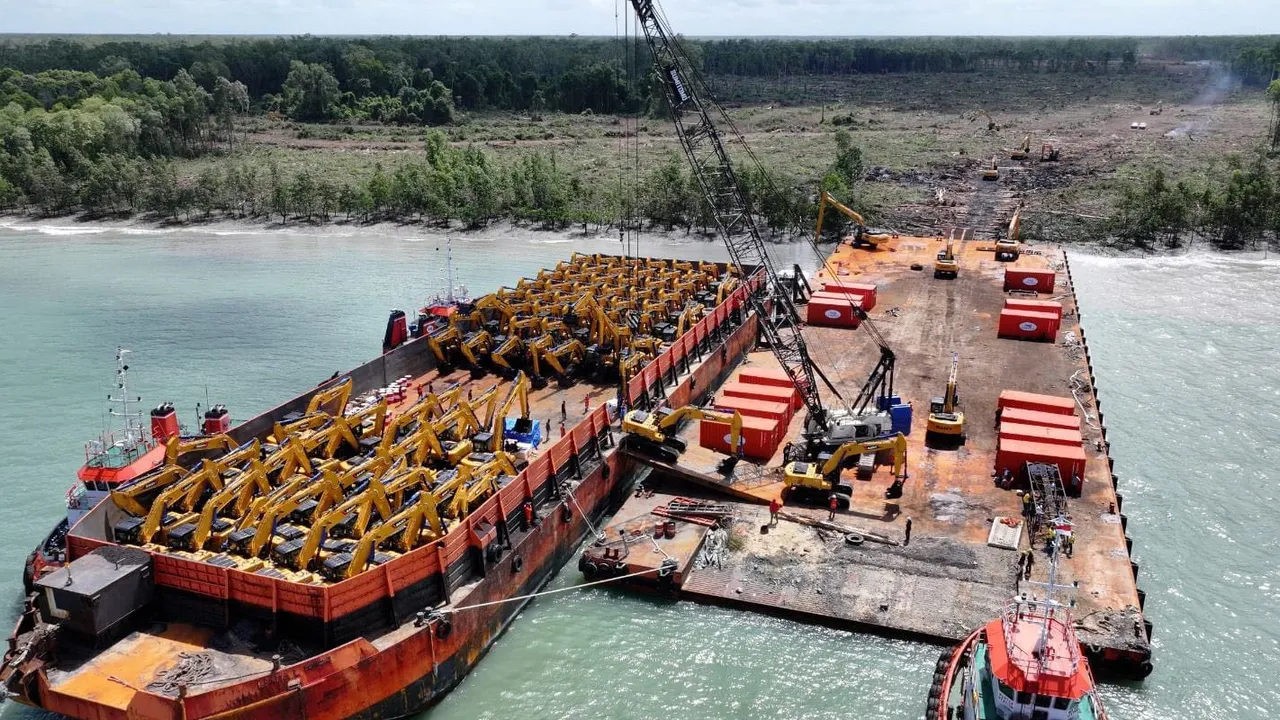
In late January 2026, Mongabay reported that the National Land Agency (operating under the Ministry of Agrarian Affairs and Spatial Planning/ATR) granted 328,000 hectares of cultivation rights (Hak Guna Usaha) for the Merauke rice estate at unprecedented speed. Indigenous rights activists have condemned the decision, noting that Free, Prior and Informed Consent (FPIC) was not obtained from affected Papuan communities. The legal pathway included: forest estate reclassification to non-forest land (APL) in September 2025, new South Papua spatial plan accommodating the food estate in November 2025, and final cultivation rights granted in January 2026 – a sequence that typically takes years but was completed in under six months using the National Strategic Project (PSN) mechanism.
A coalition of civil society groups called on the government to halt National Strategic Projects that “sacrifice people and the environment”, urging that the Sumatra flood disasters serve as “socio-ecological lessons that must not be repeated”.
27 Jan 2026 – Sources: Mongabay

Jakarta: Governor Regulation on Energy and Water Efficiency in Buildings
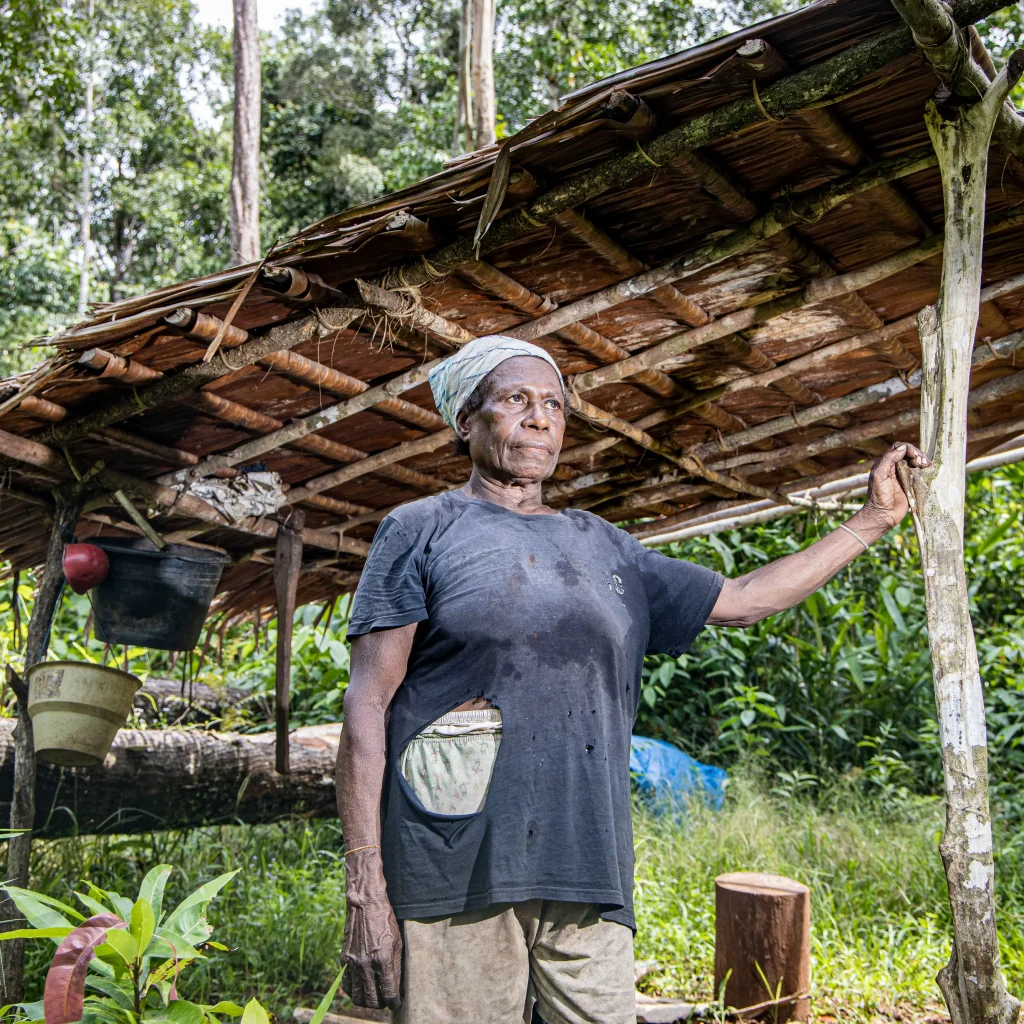
On 2 February 2026, Jakarta Governor Pramono Anung rolled out Governor Regulation No. 5 on Energy and Water Efficiency in Buildings, marking the handover of the C40 UCAP Climate Action Implementation programme from the UK Government and C40 Cities to the Jakarta administration. Buildings are responsible for nearly 60% of Jakarta’s greenhouse gas emissions, and the new regulation lays down a legal framework to enforce sustainability standards across the city’s skyline. It also charts a course toward the city’s climate goals: a 31.89% emissions reduction by 2030 and net-zero emissions by 2050.
2 Feb 2026 – Sources C40 Cities
Accelerating Deforestation and the Merauke Food Estate
Indonesia’s forestry minister Raja Juli Antoni confirmed to the DPR in December 2025 that gross deforestation in the first nine months of 2025 exceeded annual totals for any of the first three years of this decade. Deforestation in 2024 had already jumped by more than 50% to approximately 216,000 hectares – the highest level since 2019. The main driver is the Merauke Food and Energy Estate in South Papua, spanning up to 3 million hectares, which Mighty Earth has described as “the largest single deforestation project in the world”. Read more.
RUPTL 2025–2034: Fossil Fuels First, Renewables Delayed
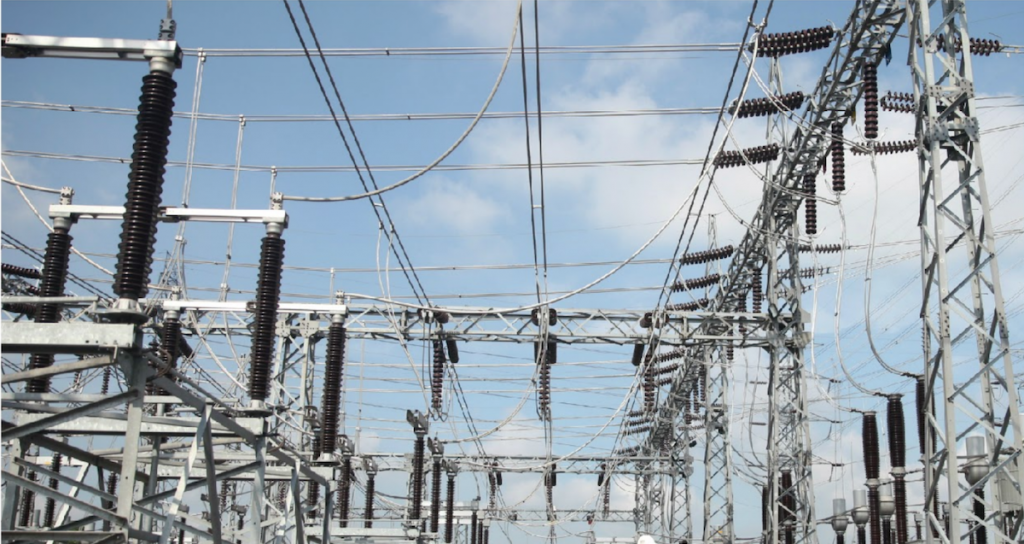
The Ministry of ESDM officially approved PLN’s Electricity Supply Business Plan (RUPTL) 2025–2034, projecting 69.5 GW of total additional generation capacity. While 76% of new capacity is targeted from renewables and storage (42.6 GW renewables + 10.3 GW storage), 16.6 GW of new fossil fuel capacity is also planned, including 6.3 GW of new coal (mainly mine-mouth plants) and significant gas expansion. The IESR’s “Indonesia Energy Transition Outlook 2026” documented that Indonesia failed to meet its renewable energy targets for nine consecutive years, with the 23% target by 2025 achieving only 16%. The government has revised the target to 23% by 2030.
Key concerns raised by CREA, IEEFA, and IESR include: (1) Renewable deployment is back-loaded to post-2030, contrary to JETP commitments to peak on-grid emissions before 2030. (2) The RUPTL lowers the 2030 renewable capacity target from 20.9 GW to 18.6 GW compared to the previous plan. (3) A 40% increase in fossil fuel power generation is planned from 295 TWh to 407 TWh by 2034. (4) Captive coal capacity (powering industrial smelters) reached an estimated 19.7 GW in 2024, unaddressed by the RUPTL. (5) Prabowo’s 100 GW solar ambition and Koperasi Desa Merah Putih village programme have not been incorporated into formal planning.
Sources: Mosaic Indonesia, January 2026; CREA, September 2025; IEEFA, 2026; Ashurst – RUPTL Analysis
New Criminal Code in Effect: Implications for Environmental Activism and HRDD
On 2 January 2026, Indonesia’s new Criminal Code (Law No. 1/2023, replacing the colonial-era Dutch code) entered into force. The new code retains extensive criminal defamation provisions (Chapter 17) that environmental groups warn provide fertile ground for Strategic Lawsuits Against Public Participation (SLAPP). Earth.org documented how these provisions are being used to silence climate and environmental activists opposing mining and plantation projects.
Separately, a new Presidential Regulation on Human Rights Due Diligence (HRDD) for the private sector is being drafted, anticipated to be in force by mid-2026. The regulation is driven by competitiveness concerns vis-à-vis the EU Corporate Sustainability Due Diligence Directive (CSDDD) and Germany’s Supply Chain Act (LkSG). The Ministry of Human Rights is requiring businesses to conduct self-assessments through the PRISMA platform (first submission period: January–March 2026). Human Rights Watch’s World Report 2026 documented continued violence against journalists (60 cases Jan-Aug), land grabs, and suppression of activists under the Prabowo administration.
Sources: Earth.org, January 2026; Lexology, January 2026 – HRDD Perpres; Human Rights Watch – World Report 2026

Indonesia at Risk of a Deforestation Reversal
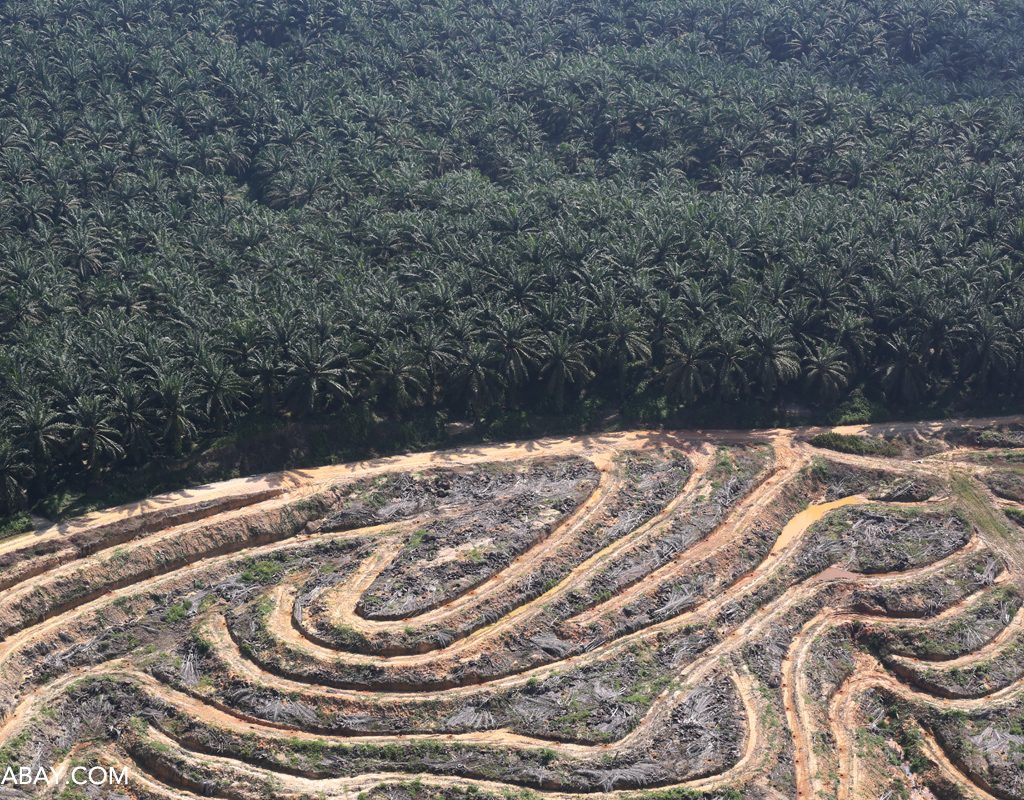
A January 2026 Mongabay analysis warned that Indonesia is at risk of reversing years of progress on deforestation reduction. Key findings: (1) The forestry minister confirmed that 2025 deforestation will at least match 2024, which was the worst year since 2019. (2) Indonesia is ranked the world’s 6th largest GHG emitter. (3) The Merauke Food Estate is undermining Indonesia’s FOLU Net Sink targets and threatening EUDR compliance for commodity exports. (4) Carbon market investors are “thinking twice” because forest conservation contradicts the food estate programme. (5) The NGO Auriga Nusantara estimated 2024 deforestation at over 260,000 hectares – significantly higher than the government’s official figure of 216,000 hectares.
Sources: Mongabay, January 2026; EIA International, August 2025; Climate Action Tracker
Climate Change Performance Index 2026: Indonesia Rated “Low Performer”
The Climate Change Performance Index (CCPI) 2026, published in November 2025, ranked Indonesia 43rd overall – a “low performer” across all categories: GHG Emissions, Renewable Energy, Climate Policy, and Energy Use. The CCPI country experts noted that Indonesia lacks a coal phase-out plan, has not published a clear pathway to net zero, and faces “considerable challenges” in integrating renewable energy into the electricity market. The existing carbon tax was deemed insufficiently implemented, and deforestation and bioenergy impacts are not effectively mitigated. Public transport outside Jakarta and EV policy were also criticised as inconsistent.