Pepper Farming Empowers Women and Reduces Human-Elephant Conflicts Near Bukit Tigapuluh National Park

January 2026

Peter Pratje, Dr, Nature conservation concessions to protect tropical rainforest in Indonesia,
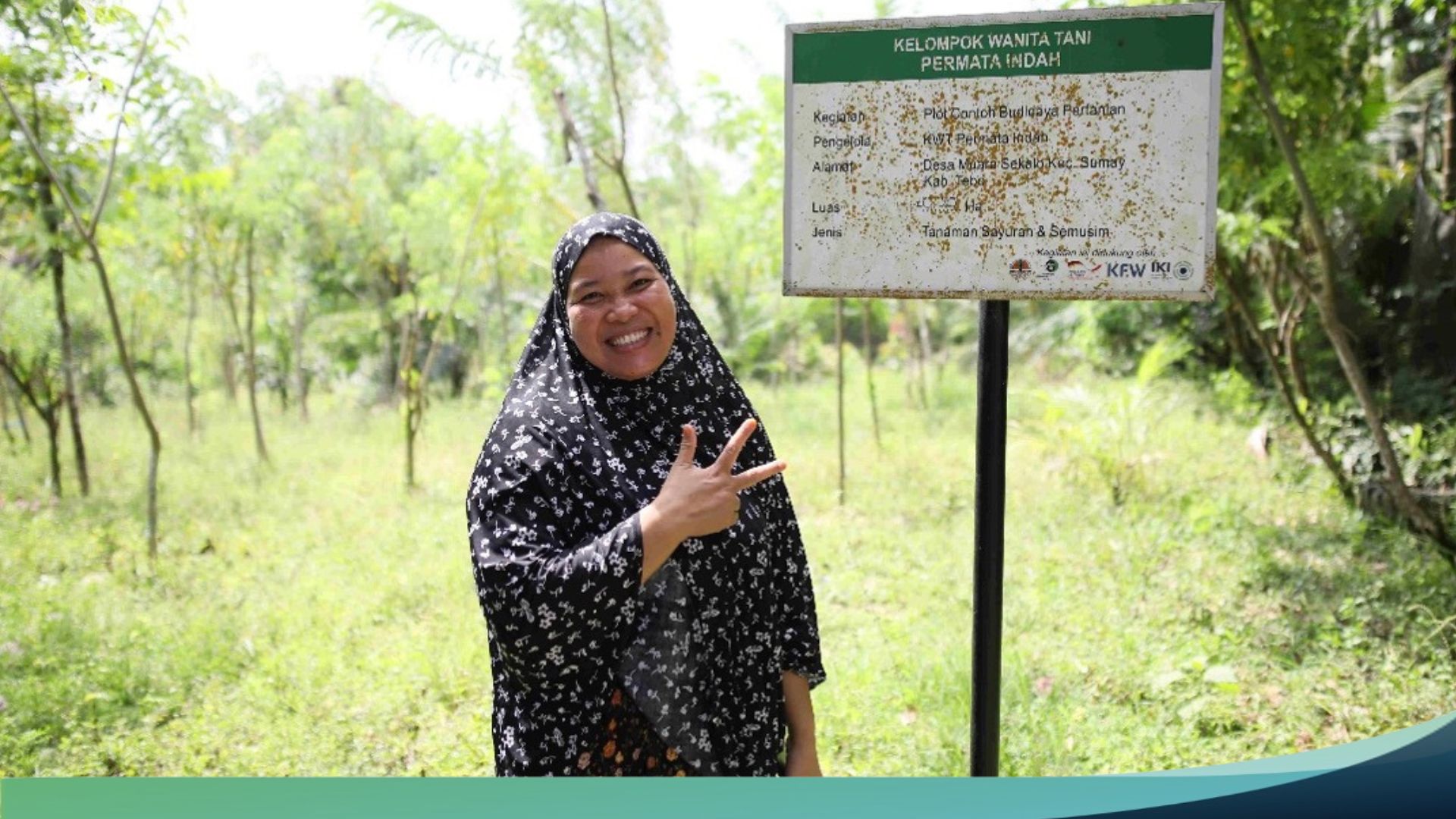
Yunani of the ‘Permata Indah’ female farmer group

© Prabanndaru Wahyuadji/FZS Indonesia 

Loud laughter echoes across the community garden of the ‘Permata Indah’ women’s farmer group, who have gathered for their weekly meeting. They all live in the village of Muara Sekalo in the southern buffer zone of Bukit Tigapuluh National Park, where a community garden has been created on half a hectare of land. Under the guidance of a qualified trainer, they learn about organic farming here once a week. After 16 lessons about vegetable cultivation, the group has moved on to jointly cultivating 200 pepper plants. Pepper is one of the plants that promises increased income and can be easily integrated into existing plantations.

Unfortunately, Muara Sekalo is in the middle of one of the most important elephant corridors. Fields destroyed by elephants are a daily occurrence. Pepper, one of the plants elephants tend to avoid, has therefore become more than a crop: it is a quiet strategy for coexistence between humans and wildlife.

In December, in search of practical inspiration, the Permata Indah group visited our organic farming pilot project in Delima, where conflicts with elephants have been successfully reduced through mixed cropping. The visit left a strong impression. Returning home, the women were newly motivated to continue working with care and persistence in their own community garden.

Comments are closed.