The ocean, much like a mother, nurtures, protects, and sustains life on Earth. Yet, nothing captures gender challenges better than maritime sector, especially in Indonesia where its area is 70% sea.
Despite the gender issues that dominate the maritime space, the roles of those long overlooked in its governance are neither peripheral nor optional. The female fishers who manage the catch, then the coastal mothers who take care of the mangrove ecosystem for the future of their families.
At this moment, recognising and ensuring involvement is not just a matter of justice. It is the foundation upon which sustainable land and seascape management and development must be built.
In fact, the question of involvement and inclusivity is not a bureaucratic footnote; it is, in many forms, the entire argument. Perhaps, the relationship between people and the sea has long been dominated by one gender—there is a “man” in “fisherman.”
But amid this conception, the question of whether land and seascape solution and their development can truly be made with the communities who will live with their consequences is also not easily ignored. And so, as project implementation moves forward, the work of ensuring consistent application of gender inclusion and safeguards, chief among them Free, Prior, and Informed Consent (FPIC), felt most acutely where developmental efforts meet ground.
Given how today, SOLUSI project continues to advance sustainable land and seascape governance through approaches that are inclusive, participatory, and grounded in rights. It is a framework built on inclusivity, not domination, manifested through a collaboration between SOLUSI consortium and GIZ Indonesia, as part of an Indonesia-Germany partnership steered by the Ministry of National Development Planning (BAPPENAS) and Germany’s Federal Ministry for the Environment, Climate Action, Nature Conservation and Nuclear Safety (BMUКN), with funding from the International Climate Initiative (IKI).
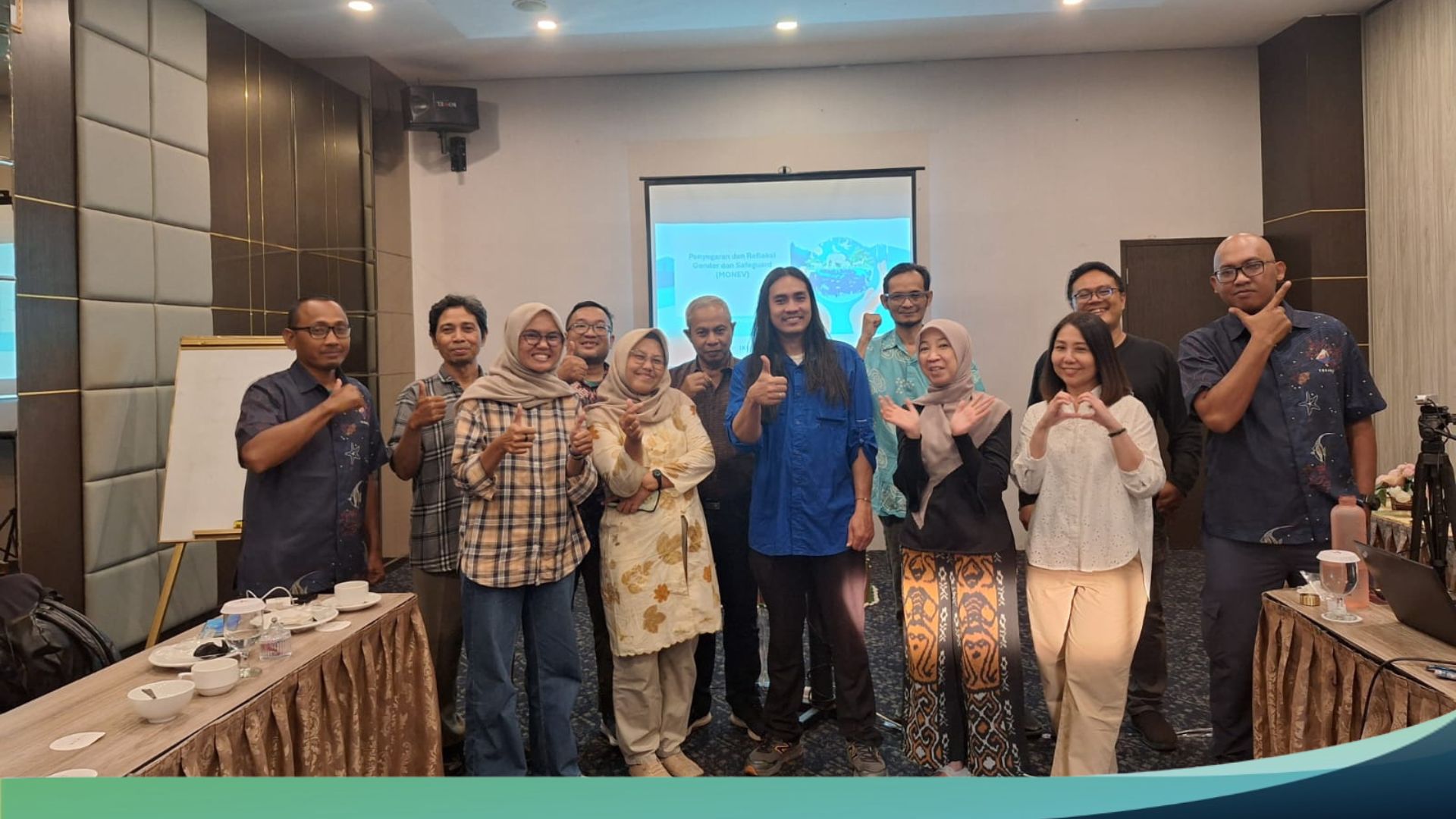
Moreover, it was precisely this commitment that drive SOLUSI to bring practitioners, field staff, and community representatives together in the Gender and Safeguard Progress Reflection and Refreshment Workshop, a dedicated forum to take stock of what has been achieved, where gaps remain, and how implementation can be strengthened going forward.
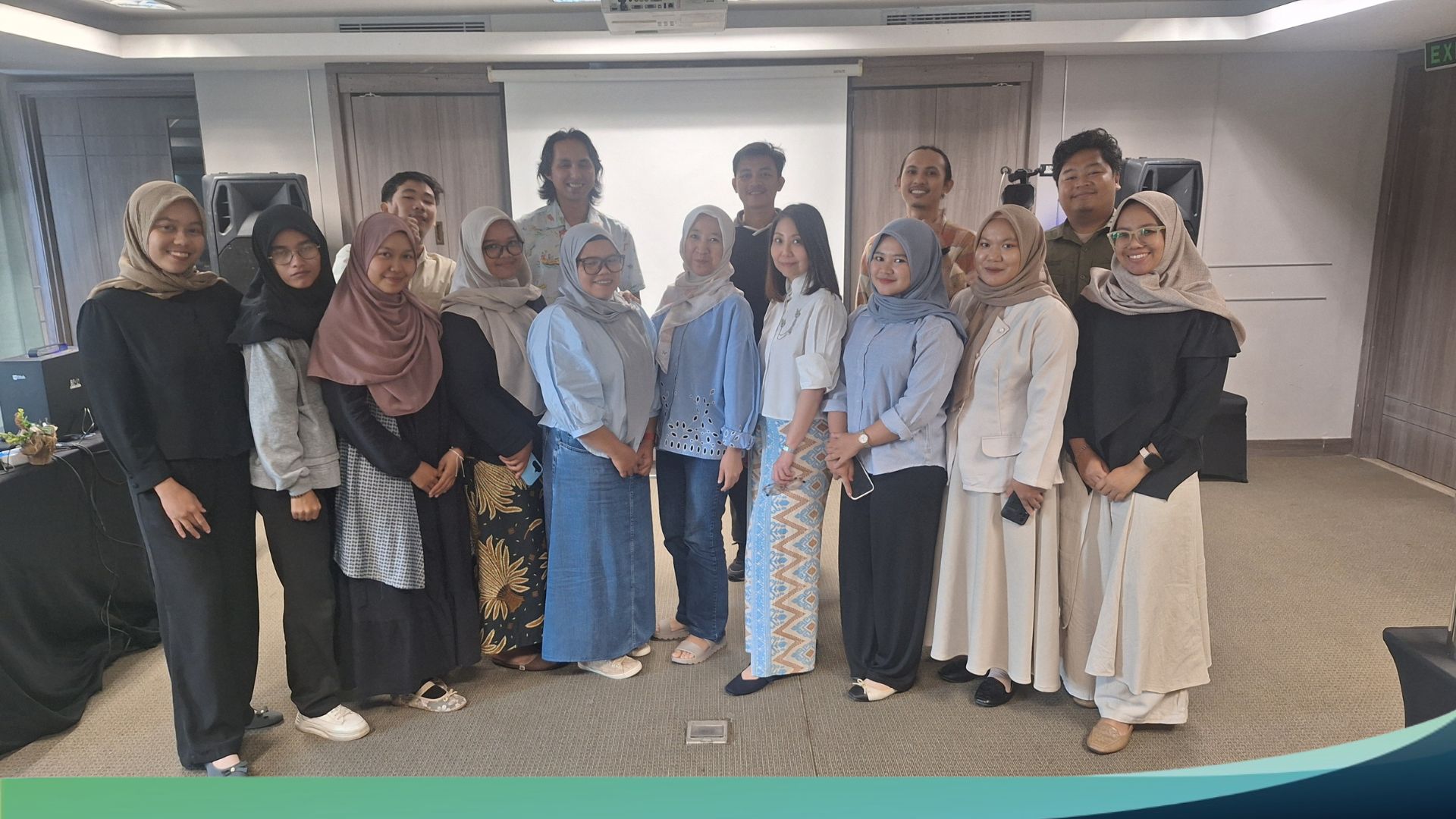
The workshop that first convened in Bogor in 2025 has, by 2026, grown into a series, traveling across three regions where the SOLUSI Program operates: Cilacap, Belitung, and Palu. Unlike the 2025 workshop which brought together representatives from each partner organization, this current series is focused on field facilitators who work directly and closely with communities. The first two sessions have since taken place (19 May & 20 June), each shaped by the context and challenges of its location. Palu is next. Its session has yet to be held but carrying the same commitment to reflection and renewal of getting implementation right.
To bring the workshop to life, implementing partners Yayasan TERANGI, Yayasana Bonebula, ARUPA, SNV, ROA, and TCI, alongside GIZ consultants, took on the role of guides and facilitators during the workshop. The agenda opened with a refresher on the foundational concepts of gender and social inclusion, brought to life through interactive games that did more than review definitions. The games invited participants to surface their own experiences and concerns from working directly with communities, creating space for reflection as much as recollection. From there, the session moved into an introduction to the gender continuum and its implications for how field interventions are positioned.
In ways more than one, the workshop turns participant into a gender sensitive implementer. It forces participants to remain curious about the basic concepts of gender, social inclusion, and safeguard mechanisms, and to question their models of project implementation around them.
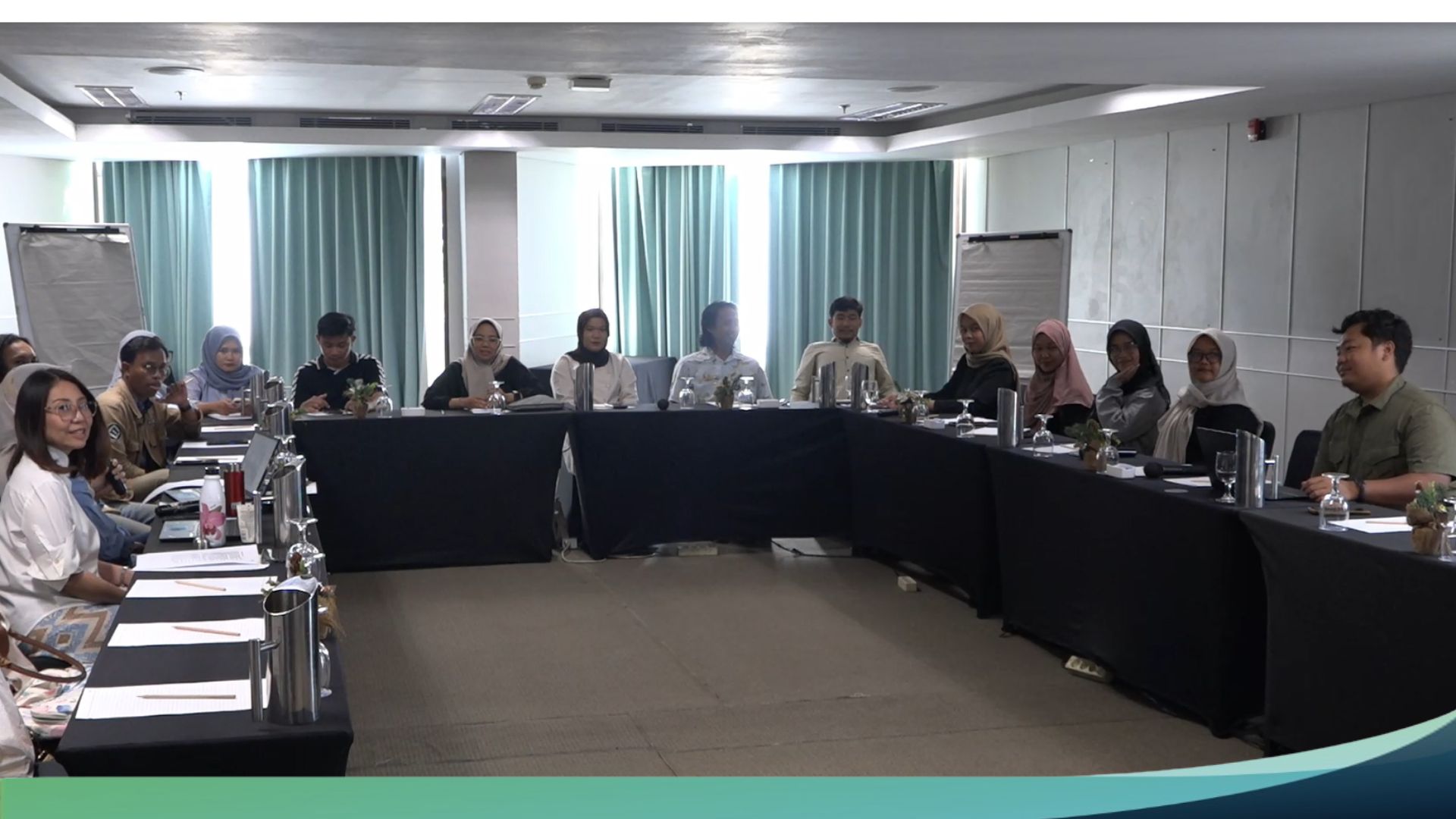
A GIZ representative put it plainly: the workshop was, above all, a space for reflection and learning, an opportunity to review progress and acknowledge what has worked in SOLUSI sub-national level projects across three provinces. Throughout the program, participants with varying levels of experience—ranging from seasoned field staff to those who had just joined the program—gathered for group discussion sessions.
The goal is thus precise: To strengthen the capacity of field-level implementers to apply gender-responsive principles and safeguards, including FPIC, in project implementation, while ensuring that all implementing partners arrive at a shared and coherent understanding of what this program demands of them.
Ultimately, what the workshop also surfaces are that gender and sustainable land and sea governance are not collapsed into a single unified framework. They remaindistinct domains. But the closer we look, the more we think they are not separate, and it is precisely in the spaces where they meet that the real work of development lives.