© REUTERS/Crack Palinggi
landslides across Sumatra. By early January 2026, the National Disaster Mitigation Agency (BNPB) had recorded 1,177 deaths, with 148 people missing and over 400,000 displaced. While many districts have moved from emergency to recovery phases, Aceh Besar and South Tapanuli remain under extended emergency status due to ongoing cracks and landslide risks.
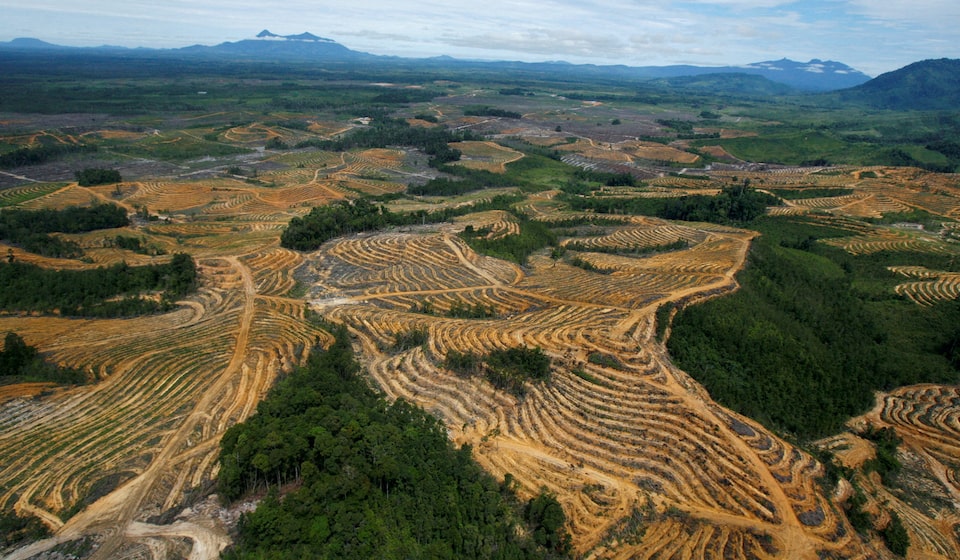
The government’s disaster management plan emphasizes preparedness, response, and recovery. BNPB has urged all regions to remain vigilant, given Indonesia’s position on the Ring of Fire and the increasing intensity of hydrometeorological hazards. To support survivors, some 4,000 registered and nearly 1,000 unregistered volunteers—from NGOs, universities, and hospitals—have been deployed to Aceh to provide health services and psychosocial support. Most children have returned to school, though 54 severely damaged schools continue to operate in large platoon tents supplied by BNPB while permanent classrooms are rebuilt. On New Year’s Eve, President Prabowo visited survivors, urging citizens to respect nature and strengthen environmental stewardship, linking the disaster to deforestation and calling for long-term ecosystem protection.
In the wake of the floods, the government launched weather modification operations to reduce the risk of further disasters. On 29 December 2025, BNPB and the Meteorological Agency (BMKG) initiated additional cloudseeding flights, deployed more aircraft and equipment, and urged local governments to monitor slope stability and remove logs from rivers to prevent damming. These measures were part of a broader disaster readiness campaign ahead of the New Year holidays, reflecting Indonesia’s shift toward proactive climate risk management.
The floods also intensified enforcement against illegal land use. On 24 December 2025, the forestry task force announced the seizure of 4.1 million hectares of illegal plantations and mines, projecting fines of up to US$8.5 billion in 2026. Over 240,000 hectares have already been transferred to the state-owned agribusiness firm Agrinas. President Prabowo Subianto confirmed that the government, through the Attorney General’s Office, plans to seize an additional 4 to 5 million hectares of illegally operated palm oil plantations throughout 2026. Separately, Environment Minister Hanif Faisol Nurofiq ordered audits of at least 100 companies, both licensed and unlicensed, to investigate whether their practices contributed to the floods and landslides. The results, expected by March 2026, will inform evidence-based policy recommendations, and could lead to sanctions or revocation of operating licenses.