Fifth Prabowo Cabinet Reshuffle Brings New Environment Minister
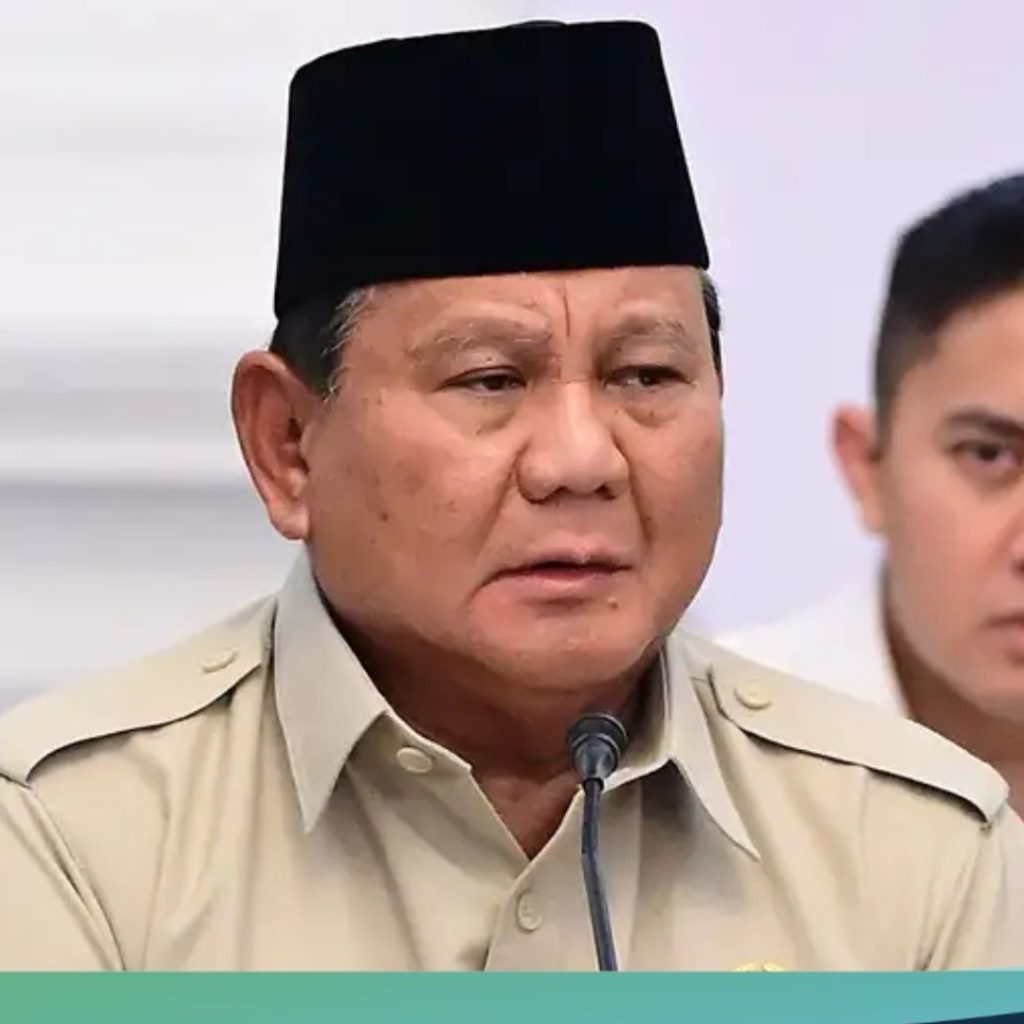
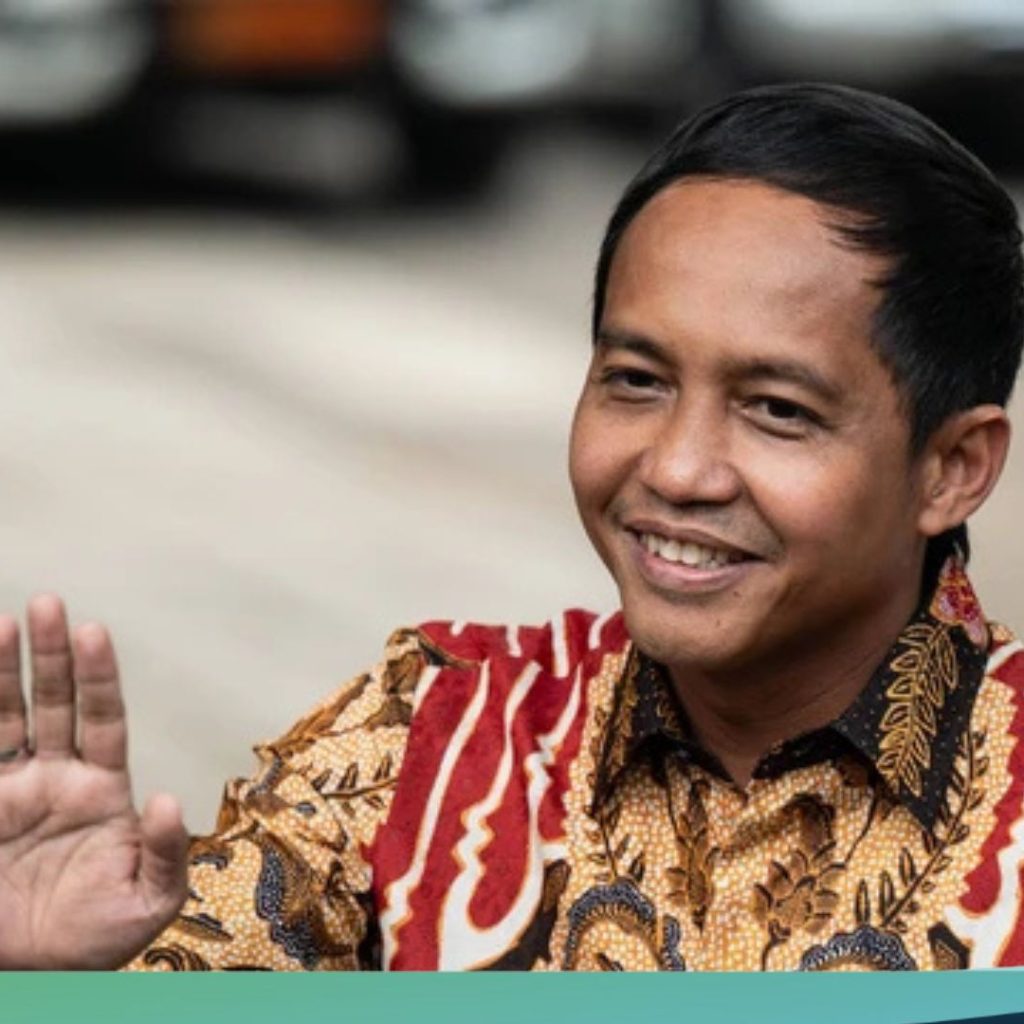
On 27 April 2026, President Prabowo carried out his fifth cabinet reshuffle. Mohammad Jumhur Hidayat, head of the KSPSI trade union confederation, was sworn in as Minister of Environment and Head of the Environmental Control Agency (KLH/BPLH). His predecessor Hanif Faisol Nurofiq was moved to the post of Deputy Coordinating Minister for Food Affairs. Jumhur comes from a labour rather than environmental background, and the direction of the ministry under his leadership is not yet clear. The same reshuffle brought in retired General Dudung Abdurachman as Chief of the Presidential Staff, Muhammad Qodari as Head of the Government Communication Agency (Bakom), Hasan Nasbi as Special Presidential Advisor for Communications, and Abdul Kadir Karding as Head of the Quarantine Agency.
Sources: Tempo English, 27 April 2026; Detik News, 27 April 2026; INP, 27 April 2026
New Forestry Carbon Trading Regulation Opens Market to Communities
On 13 April 2026, Minister of Forestry Raja Juli Antoni promulgated Permenhut No. 6/2026 on Procedures for Carbon Trading through Greenhouse Gas Emission Offsets in the Forestry Sector. The regulation is the first major implementing rule under Presidential Regulation No. 110/2025 on Carbon Economic Value Instruments and replaces the earlier framework under the former Ministry of Environment and Forestry. It opens forestry carbon trading to a broader set of actors, explicitly including social forestry groups, indigenous communities (masyarakat hukum adat), private forest owners, and environmental service providers, alongside corporate concession holders. Five forest categories are eligible as supply sources for offsets: production and protection forests under existing permits, protection and conservation areas not yet under permits, customary forests, private forests, and state forests outside designated forest areas. Project developers must demonstrate additionality, fair benefit-sharing, biodiversity safeguards, and informed community participation, and follow a three-stage grievance mechanism. Carbon trades are subject to a non-tax state levy (PNBP). The Ministry has also entered a partnership with the Integrity Council for the Voluntary Carbon Market (ICVCM) to align the framework with international integrity standards. Legacy projects already underway must register with the Ministry within six months of enactment.
Sources: Ecobiz Asia, 15 April 2026; Antara News, April 2026
Auriga STADI 2025: Indonesia’s Deforestation Surges 66 % in 2025
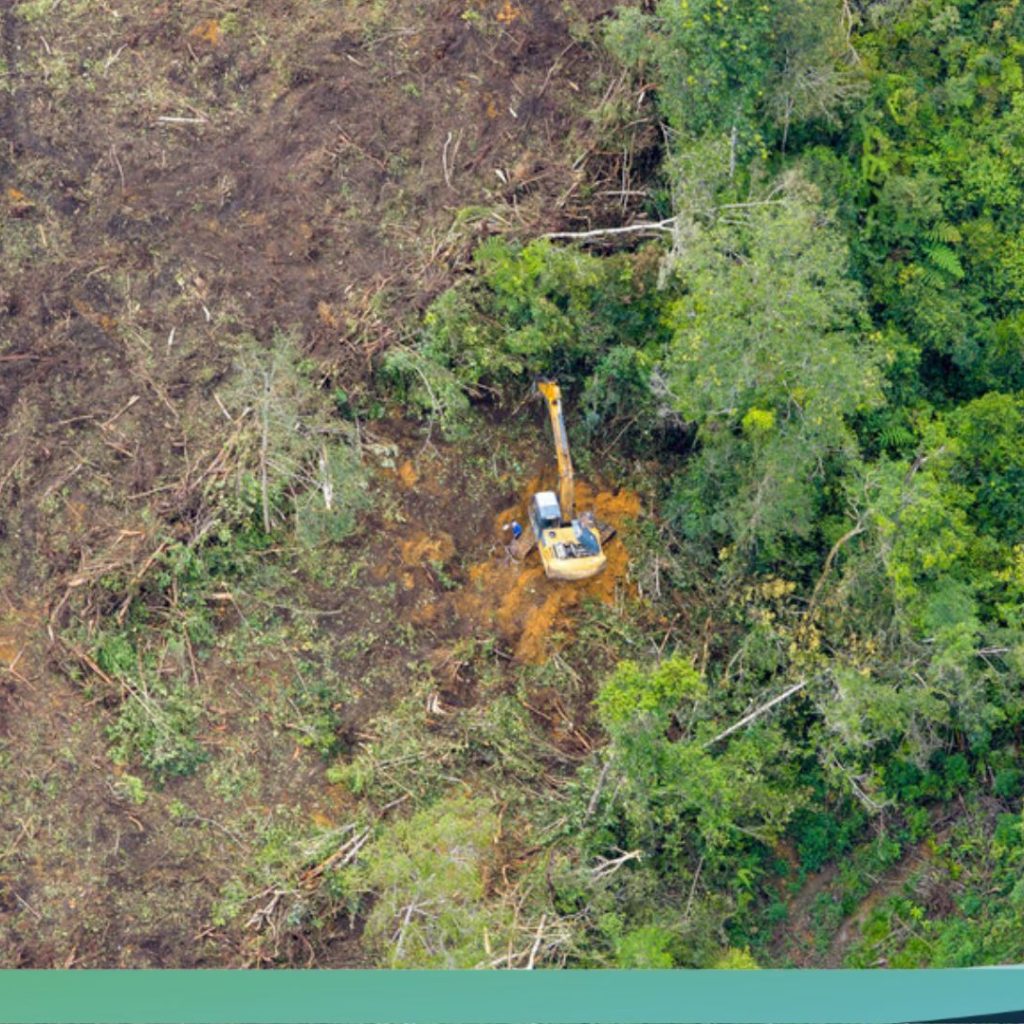
On 31 March 2026, the NGO Auriga Nusantara published its annual report “Indonesia Deforestation Status 2025” (STADI 2025). The report finds that Indonesia lost 433,751 hectares of forest in 2025 — a 66 % increase from the 261,575 hectares recorded in 2024 and the highest annual deforestation level in eight years. The methodology combines Sentinel-2 deep-learning detection with extensive ground verification (field visits across 49,321 hectares in 28 regencies and 16 provinces), and the dataset is reported with an overall accuracy of 89 %. Approximately 71 % (307,861 ha) of forest loss occurred inside the Forest Estate under the Ministry of Forestry, while the remaining 125,890 hectares occurred in Other Land Use (APL) areas managed by regional governments and concession holders. Read more.
National Carbon Market: Full Operationalisation Targeted for End of June 2026
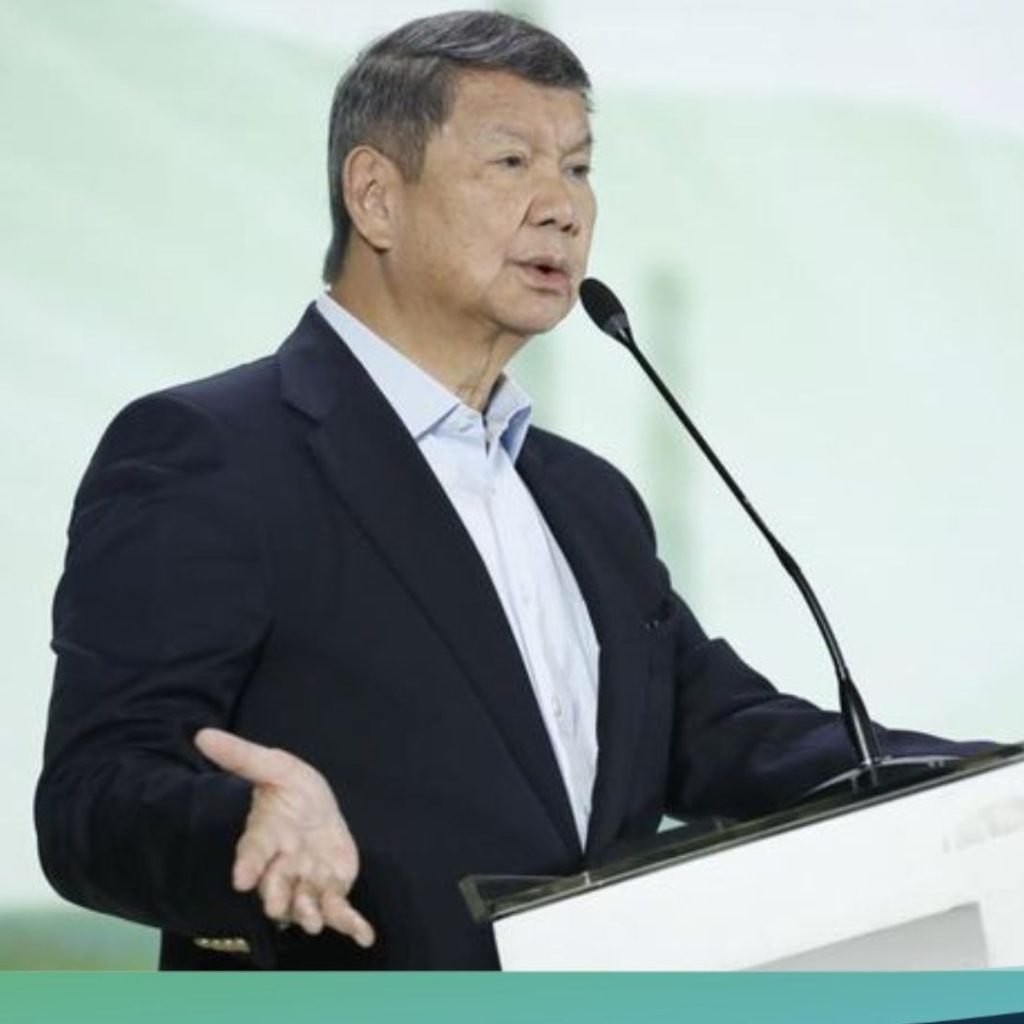
Speaking at the Environmental, Social, Governance (ESG) Sustainability Forum 2026 in Jakarta in early February and reconfirmed in subsequent appearances through March 2026, President Prabowo’s Special Envoy for Climate and Energy, Hashim Djojohadikusumo, confirmed that Indonesia will bring its national carbon market into full operation by the end of June 2026, with large-scale transactions expected to begin in July. The roll-out is anchored in Presidential Regulation No. 110 of 2025 on Carbon Economic Value Instruments and National Greenhouse Gas Emission Control, which Hashim has described as a structural game-changer for the country’s carbon governance. Read more.

Bappenas Unveils the Green Economy Grand Design Indonesia 2045
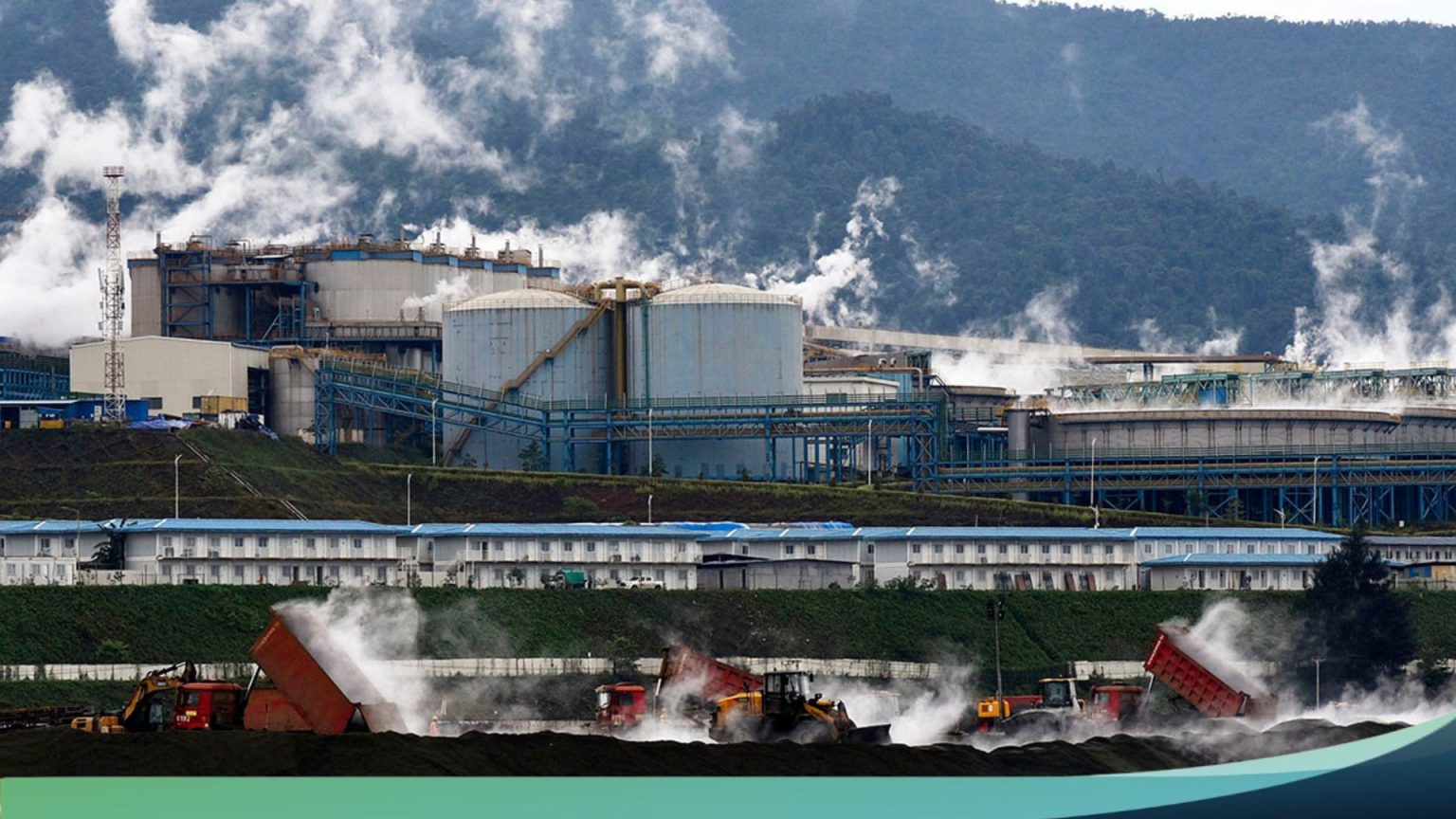
On 31 March 2026, Bappenas Deputy Minister for Food, Natural Resources and the Environment, Leonardo A. A. T. Sambodo, formally positioned the Green Economy Grand Design Indonesia 2045 in a Jakarta Globe op-ed. Bappenas presents the document as a strategic anchor that consolidates current best practice and long-term priorities under a single platform, drawing explicit comparisons with the United Kingdom’s Net Zero plan and Vietnam’s 2021–2030 Green Growth Strategy. The Grand Design is intended to function as a navigational reference for investors, harmonising cross-sectoral progress and providing planning certainty in an environment of global disruption.
Substantively, the Grand Design translates President Prabowo’s environmental ambitions into a tripartite programme: an expansive campaign of reforestation, the cultivation of “green jobs” through community-based initiatives, and a hastened transition in the energy sector. In doing so, it recasts the region’s biodiversity—especially Indonesia’s—not merely as ecological inheritance, but as strategic capital. What had previously existed as a constellation of disparate efforts—sustainable agriculture schemes, forest conservation projects, ecotourism ventures—is here drawn together, systematised, and reframed as a cohesive blueprint calibrated for investment.
31 Apr 2026 – Sources: Jakartaglobe
KLH/BPLH Enforcement Wave: Mass Suspension of Mining Permits
Throughout February and March 2026, the Ministry of Environment / Environmental Control Agency (KLH/BPLH) under Minister Hanif Faisol Nurofiq carried out the most extensive environmental enforcement campaign in recent Indonesian history. Of 1,358 coal and nickel mining units placed under nationwide evaluation across 14 priority provinces, 250 had completed environmental audits by the end of February. Of these, around 80 had their environmental permits suspended for serious breaches — most prominently for inadequate waste-water disposal, contributions to flooding, and watershed degradation. Minister Hanif estimated potential fines under enforcement proceedings at IDR 5–6 trillion (~USD 320–385 million) but explicitly framed the campaign as a deterrent rather than a revenue exercise.
In one of the most consequential interventions to date, the ministry ordered the suspension of operations and the revocation of the environmental permit of PT QMB New Energy Materials, a Sino-Indonesian nickel–cobalt joint venture backed in part by China’s GEM Co., located within the Indonesia Morowali Industrial Park (IMIP) in Central Sulawesi, following a second fatal landslide at its tailings facility within a year—an incident that laid bare the fragility of oversight in Indonesia’s extractive zones. Responsibility for waste management at the site has since been transferred to the IMIP estate operator, a move that signals both administrative recalibration and a broader recognition of systemic lapses, even as KLH/BPLH expands its enforcement posture by filing civil lawsuits against around thirty companies for environmental damage and pursuing parallel criminal proceedings in several of the most serious cases.
Sources: Petromindo, 26 February 2026; Ecobiz Asia, 24 February 2026; Mining.com, 24 February 2026

JETP Phase 2 Launches Under German-Japanese Co-Leadership
Following the United States’ early-2025 withdrawal from the Just Energy Transition Partnership, Germany and Japan have assumed joint leadership of the International Partners Group. The second phase of JETP implementation began in January 2026 and is now supported by a German-funded JETP Delivery Unit (JDU) that replaces the former JETP Secretariat. The JDU operates under the Energy Transition and Green Economy Task Force (Satgas TEH), which is chaired by the Coordinating Ministry for Economic Affairs and serves as the central Indonesian steering body. Its mandate includes project tracking, communication of implementation progress, strategic dialogue management and bottleneck resolution.
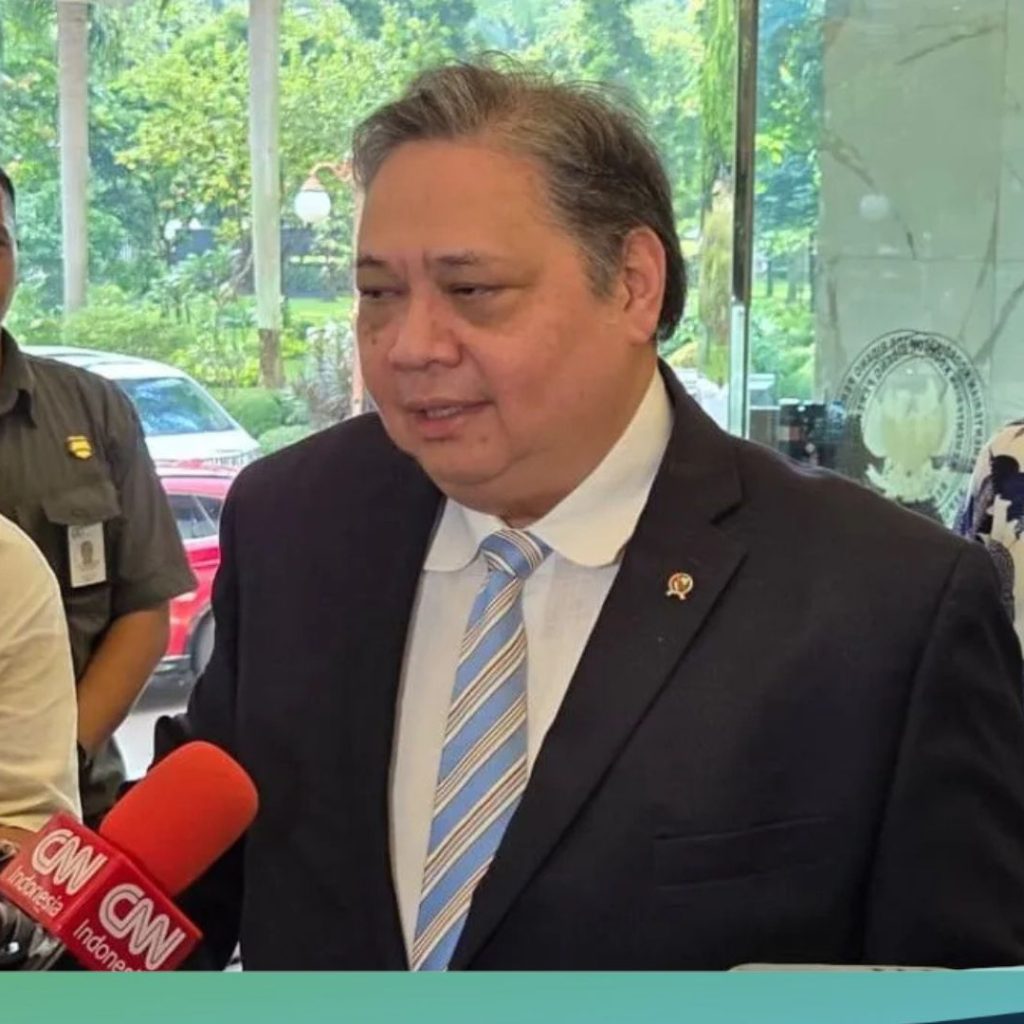
On 5 February 2026, Coordinating Minister Airlangga Hartarto confirmed an additional four hundred million dollars in Just Energy Transition Partnership (JETP) financing, bringing total pledges to 21.8 billion dollars, a modest increase that nonetheless signals continued, if cautious, international confidence in Indonesia’s energy transition. The new tranche is tied to two project commitments from Germany’s development bank, KfW, including support for the Saguling floating solar power plant, one of the more visible emblems of the country’s renewable ambitions. Yet the broader picture remains uneven: as of December 2025, approved JETP financing amounted to roughly 3.1 billion dollars, spanning programme-level commitments, individual projects such as the Muara Laboh geothermal expansion, and grant-based technical assistance. Progress, however, continues to be tempered by structural impediments—persistent power-sector oversupply, regulatory ambiguity surrounding captive coal, and the unresolved fate of the Cirebon-1 plant, whose anticipated early retirement collapsed with its cancellation in December 2025.
Sources: Antara News, 5 February 2026; SIPET JETP country profile (2026); IEEFA – Building credibility in Indonesia’s energy transition (February 2026)
OJK Sustainable Finance: TKBI Version 3 and IFRS S1/S2 Adoption Pathway
OJK is continuing the sequenced implementation of its sustainable finance roadmap. Following the publication of TKBI Version 2.0 in February 2025, OJK has confirmed plans to release TKBI Version 3 during 2026. Version 3 will significantly expand the scope of the taxonomy beyond the energy sector to include Agriculture, Industrial Processes and Product Use (IPPU) and Waste, adding approximately 537 additional KBLI codes. The new version is being developed in parallel with the ASEAN Taxonomy for Sustainable Finance Version 4 under the ASEAN Taxonomy Board, ensuring continued interoperability.
In parallel, the Financial Services Authority (Indonesian: Otoritas Jasa Keuangan; OJK) has indicated that Regulation No. 51/POJK.03/2017 will be revised to incorporate the IFRS S1 and S2 sustainability disclosure standards, with effect from January 2027, positioning the Indonesian Green Taxonomy (TKBI) as a central metric for assessing green and sustainable performance within the emerging climate-disclosure regime. At the same time, Bank Indonesia, through PADG No. 21 of 2024 on macroprudential liquidity incentives, has expanded the scope of eligible sectors to include water supply, waste management and recycling. Full implementation of OJK’s revised sustainable finance regulations is targeted for 2028, with binding implementation of the Sustainability Disclosure Standards (SPK) from 2027.
Sources: Chambers and Partners – ESG 2025 Indonesia / Banking Regulation 2026 Indonesia; OJK keuangan berkelanjutan portal; Slaughter and May – ESG in APAC 2025
Renewable Energy Acceleration as a Response to the Middle East Crisis
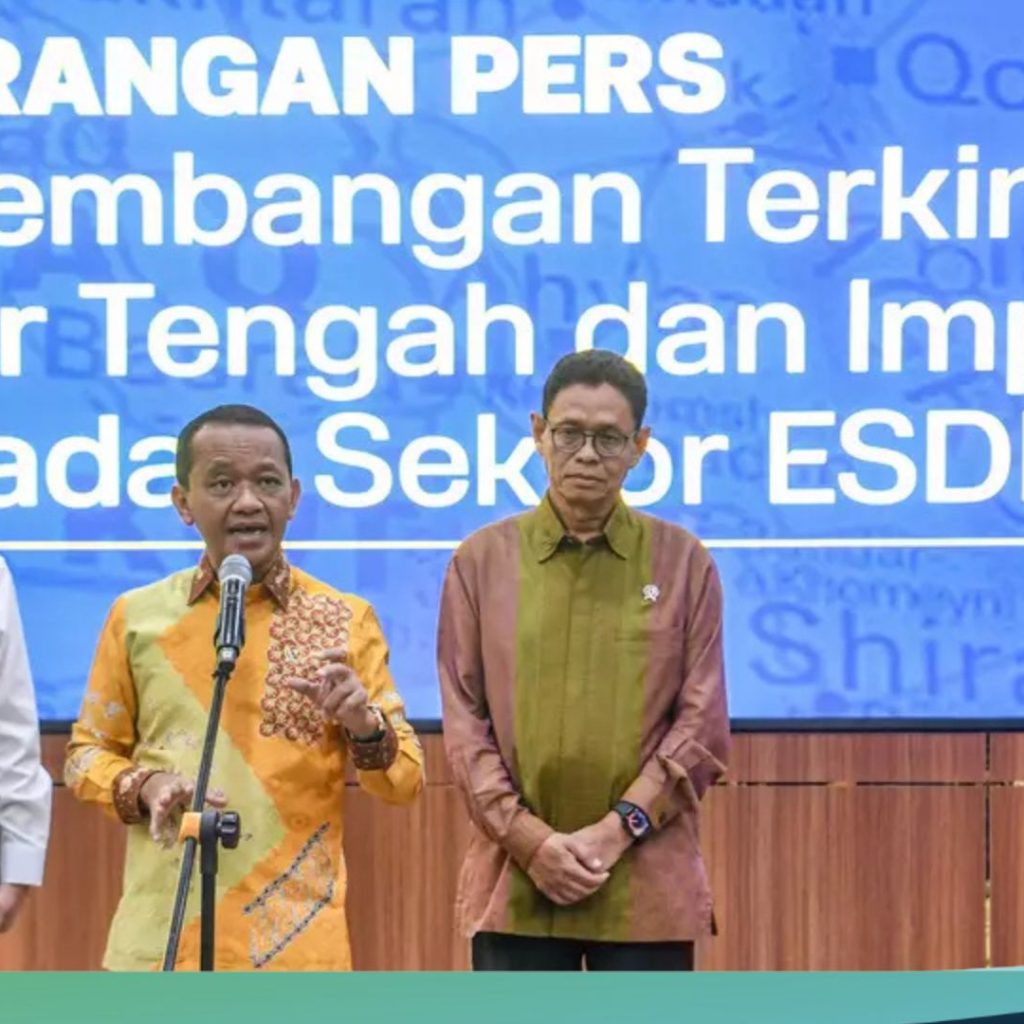
In late March 2026, the Indonesian government formally framed the ongoing Middle East crisis and elevated oil prices as a strategic accelerator for the energy transition. Investment and Downstreaming Minister Rosan Roeslani announced at a virtual press conference that the government is determined to scale up new and renewable energy investment to shield the economy from increasingly complex global dynamics, with a specific focus on geothermal, solar and hydropower. Coordinating Minister for Economic Affairs Airlangga Hartarto reaffirmed the strength of Indonesia’s economic fundamentals against the backdrop of the global volatility. Read more.
EUDR Implementation and IEU-CEPA Legal Scrubbing Update
The European Commission’s second 12-month delay of the EU Deforestation Regulation (EUDR) remains in effect, with compliance now required from 30 December 2026 for large and medium operators and from 30 June 2027 for micro and small operators. Indonesia and Malaysia continue to pursue their separate WTO complaints against the EUDR, while GAPKI maintains pressure for ISPO to be recognised as a compliance pathway and for smallholder exemptions. Indonesia’s classification as “standard risk” continues to imply elevated compliance costs, particularly for the 38 % of palm-oil area managed by smallholders.
In parallel, the Indonesia–EU Comprehensive Economic Partnership Agreement (IEU-CEPA) is progressing through legal scrubbing following the conclusion of negotiations in September 2025. The Ministry of Trade has confirmed that legal review is expected to complete by May 2026, with signing targeted for mid-2026 and implementation in January 2027. The IEU-CEPA Business Council, established in cooperation with KADIN and Apindo, is now active. The agreement eliminates up to 98 % of tariff lines and includes provisions on sustainable development, green financing, renewable energy and critical raw materials supply chains. The Auriga findings are likely to complicate the political optics of the EU ratification process and may strengthen the position of EU member states pushing for stricter EUDR enforcement.
Sources: Petromindo / Reccessary, February 2026; East Asia Forum, January 2026; GAPKI statements; Reuters / Mongabay coverage of WTO dispute, March 2026

Climate Governance Architecture: RUU PPI, NAP and CCPI 2026 Status
Several governance-architecture items from the previous reporting period remain active and warrant a consolidated status update. The Climate Change Management Bill (RUU Pengelolaan Perubahan Iklim, RUU PPI) remains on the Prolegnas Prioritas 2026 list following the 15 January 2026 harmonisation session in Baleg. No further substantive movement has been reported during the reporting period, but the Westminster Foundation for Democracy continues to support the legislative process and the political narrative has consolidated around climate legislation as an economic-pathway argument rather than a constraint on growth.
The National Adaptation Plan (NAP) 2026–2030, submitted by KLH to the UNFCCC on 13 November 2025, is now in early implementation. UNDP continues to support enhancement of the SIDIK vulnerability index, the Climate Budget Tagging system and Climate Resilience Development frameworks. The NAP is explicitly anchored in Asta Cita #8 on environmental and cultural harmony. Separately, the Climate Change Performance Index 2026 (published November 2025) ranked Indonesia 43rd overall as a low performer across all categories, citing the absence of a coal phase-out plan, the lack of a clear net-zero pathway, weak carbon-tax implementation, and unmitigated deforestation and bioenergy impacts.
Sources: JDIH DPR; Westminster Foundation for Democracy; UNDP Indonesia – NAP 2026–2030; UNFCCC NAP Registry; Climate Change Performance Index 2026